

Axena Health has published results from a randomized controlled trial demonstrating that its Leva Pelvic Health System produces significant, lasting improvement in fecal incontinence symptoms in just 8 weeks - with 75% of participants reporting improvement and an estimated 63% symptom reduction sustained at 24-week follow-up.
The single-blind RCT, conducted at the University of Wisconsin-Madison and published in Urogynecology (the official journal of the American Urogynecologic Society), compared 8-week and 16-week treatment durations and found them equivalent, with over half of participants in each group reporting at least 50% improvement in symptoms. Both groups also showed significant improvements in global pelvic floor symptoms, fecal incontinence quality of life, and patient-reported impression of improvement. Treatment adherence averaged 75%, and participants consistently rated the Leva app as easy to use.
The condition is massively underserved: fecal incontinence affects approximately 12 million women in the U.S., yet fewer than 3% receive a clinical diagnosis. Stigma prevents many women from seeking care, driving demand for discreet, at-home treatment options.
"This randomized controlled trial provides robust evidence that women can achieve meaningful, lasting improvement in fecal incontinence symptoms in as little as 8 weeks with Leva," said Dr. Samantha Pulliam, CEO and chief medical officer of Axena Health. "Fecal incontinence affects millions of women, yet it remains severely undertreated due to stigma and limited access to specialized care. These findings validate that Leva's supervised pelvic floor muscle training with real-time biofeedback and personalized coaching delivers clinically significant outcomes in a timeframe that supports patient adherence and engagement."
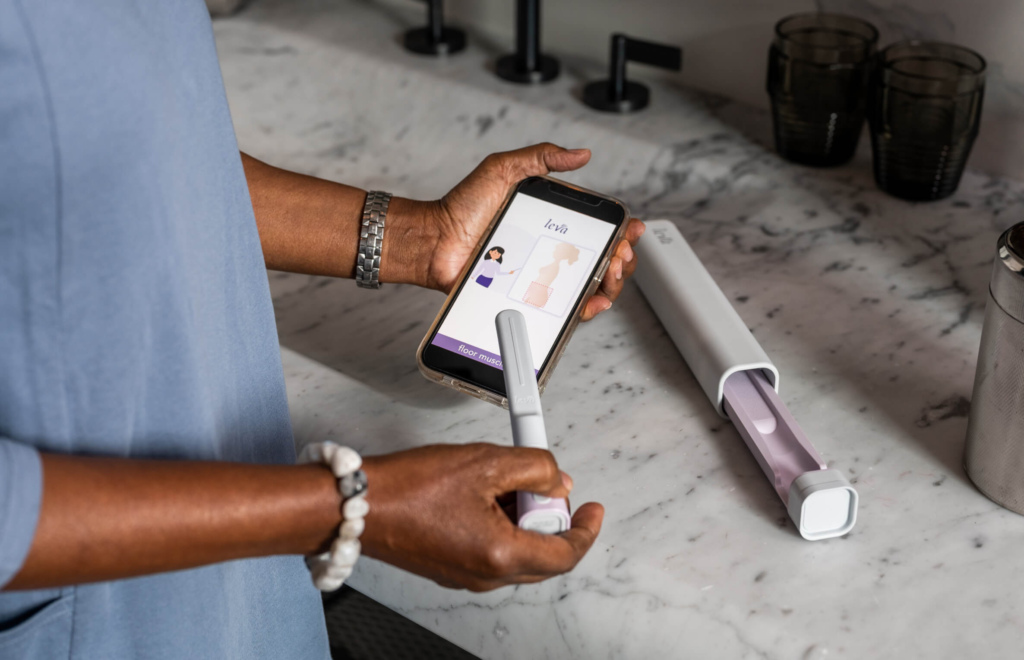
The Leva system is a prescription FDA-cleared vaginal motion sensor that provides real-time visualization of pelvic movement during pelvic floor muscle training, used at home in five minutes a day. This publication adds to a growing body of peer-reviewed evidence for Leva across both urinary and fecal incontinence, including studies in Obstetrics & Gynecology, the International Urogynecology Journal, and a real-world evidence study published in Diseases of the Colon & Rectum in March 2026 showing nearly 60% of women achieved clinically meaningful FI improvement in real-world settings.