


Malama Health has raised $9.2 million in seed funding to scale its doula-led care model for women insured by Medicaid - a population that represents more than 40% of all U.S. births but has historically had little access to the continuous pregnancy and postpartum support that evidence shows improves outcomes.
The round was led by Acumen America with participation from Wisdom Ventures, Capital F, and Coyote Ventures. It also includes federal and state grant funding: a $2.3 million NIH grant funding risk stratification and tailored postpartum support through Malama's CDC-certified Diabetes Prevention Program, and $900,000 from California state funding to expand doula-led care navigation services.
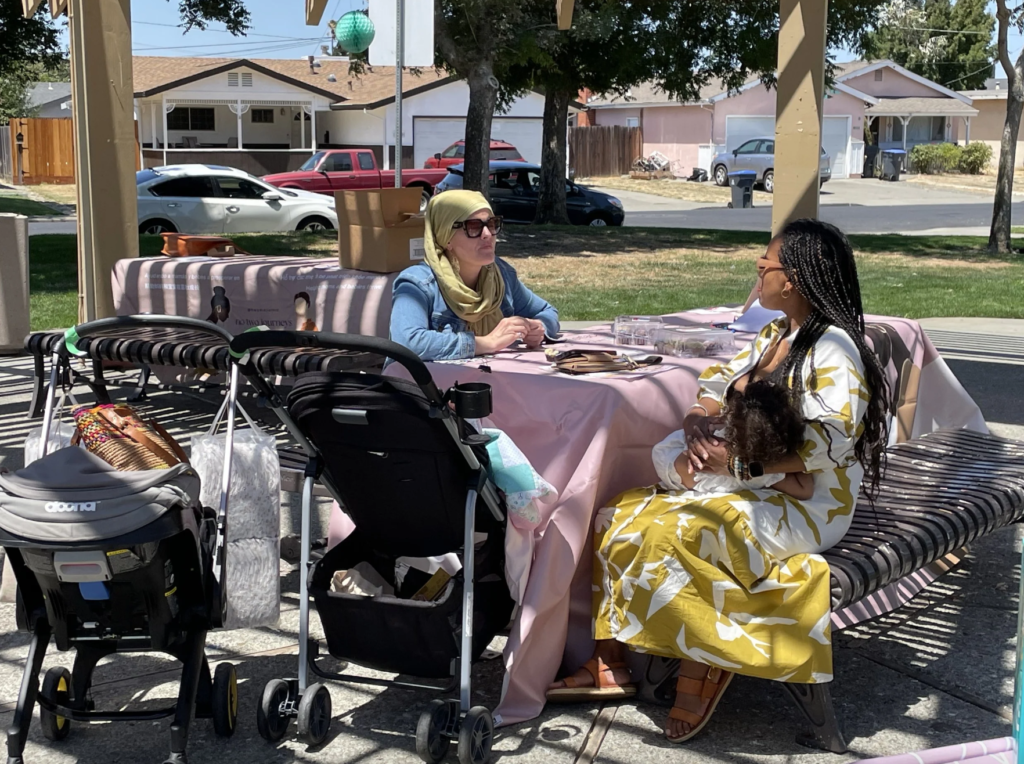
Malama employs Doula-Care Navigators - trained, community-embedded workers who attend births, conduct home visits, and stay with women through the full postpartum year. When they identify clinical risk signals like elevated blood pressure, symptoms of postpartum depression, or abnormal glucose readings, they escalate in real time to a clinician. The company partners with Medicaid managed care plans and operates within a network that spans Stanford Health Care, UCSF Health, UCLA Health, and more than 600 clinics and hospitals nationwide.
The outcomes data from more than 2,500 women is compelling: A 38% decrease in preterm birth rates, 9% decrease in C-section rates, and 6% decrease in NICU admissions. A randomized controlled trial at Tufts Medical Center found women who used Malama during pregnancy were 40% less likely to develop postpartum diabetes compared to standard care.
"Health equity in maternal care requires trust," said Veenu Aulakh, director at Acumen America. "Through its Doula-Care Navigators, Malama has earned that trust in communities that have been failed by the healthcare system for generations, and the outcomes data show what's possible when you build care around women rather than around appointments."
The postpartum gap is central to Malama's thesis. Most pregnancy-related deaths in the U.S. occur after delivery, yet the standard follow-up is a single visit at six weeks - an appointment many women never make. Gestational diabetes, which affects roughly 8% of pregnancies, is a clear example: most women who develop it receive no structured follow-up care after delivery, putting them at dramatically higher risk for Type 2 diabetes within five years. For Black, Indigenous, and Latina women, who face higher rates of gestational diabetes and are more likely to be on Medicaid, the gap is even wider.
"The women Malama serves deserve a care team that knows their name, a doula who attends their birth, and a system that does not abandon them the moment they leave the hospital," said co-founder and CEO Mika Eddy.
The funding will support geographic expansion beyond California, workforce growth, and deeper integration with managed care organizations and community health centers.