


It appears the vaginal microbiome is having a bit of a moment. While scientists have recently created the “vagina on a chip” to better understand vaginal health and conditions, many startups are developing at-home test kits to help womxn better understand their vaginal microbiome.
We're also seeing more and more advocacy for better education, and more research in this space especially when it comes to the possibilities of using the vaginal microbiome as a diagnostic biomarker. Spoiler: The opportunity here is HUGE.
So today we thought we'd take the opportunity for a bit of a deep-dive into the space. Read on for our "Vaginal Microbiome 101" and an introduction to a couple of startups we're watching closely. 👀
🤔 First question: What even is the vaginal microbiome?
To start from the very beginning, a microbiome is a community of organisms that live in an environment. The vaginal microbiome is therefore the collection of bacteria and other organisms that live in the vagina and collaborate to keep it in a state of health. In order to keep it in a state of health, the vaginal microbiome needs to be balanced. If it is not, you’re prone to infections and other issues.
One of the most important compounds in the vagina is lactic acid, produced by Lactobacillus bacteria. Lactic acid keeps unwanted and harmful bacteria out, which is important as the vagina is exposed to the outside world. If too much lactic acid is produced the environment becomes acidified, which makes it unliveable for other actually helpful organisms, which can cause problems as well.
Each woman’s vaginal microbiome is unique, but it is influenced by her genes, ethnicity, hygiene as well as interactions with other people.
The conclusion: The healthier aka balanced your vaginal microbiome (or any microbiome for that matter…) is, the more likely you are to be able fight off infections.
💡 Got it? Great! So let’s contextualize this: What’s the connection between the vaginal microbiome and overall women’s health?
As mentioned earlier, this is still an active area of research, but we know there is a connection between fertility and a dysbiotic (aka unbalanced) microbiome. There are also links to pre-term birth and pre-term abortion.
During menopause, the estrogen level drops, which leads to a drop in glycogen in the vagina. Glycogen “feeds” the lactobacilli, and a depletion of lactobacilli leads to dysbiosis in the vaginal microbiome, which can cause problems. During pregnancy on the other hand the body dials up the production of lactobacilli, as it is trying to protect the baby from harmful bacteria. This could lead to an acidic environment in the vagina, which keeps out other helpful organisms. A dysbiotic vaginal microbiome also leaves women more prone to infections like bacterial vaginosis (BV), UTIs and STIs.
Given all these links, that have already been clinically established, the vaginal microbiome could be an interesting biomarker for physicians to warn them that there might be a problem as an imbalance indicates inflammation.
As of today from clinical research we know that these connections exist, however, we do not yet understand whether there is a cause and effect relationship between the vaginal microbiome and any of them (besides BV that is).
💊 Knowing all that… How can I protect my vaginal microbiome?
A first step to protecting your vaginal microbiome is to actually understand its state. A number of at-home tests are on the market today to help women do just that. If there is an imbalance, probiotics can help to create a more lactate-heavy environment and support better protection.
Fun-ish fact: There are 300 different species in the vagina, and probiotics, besides “reseeding” lactobacilli also include a number of other foundational organisms that can help support vaginal health.
So when looking for ways to better support and protect your vaginal microbiome, a probiotic is actually a good place to start.
🚀 Who's innovating in this space?
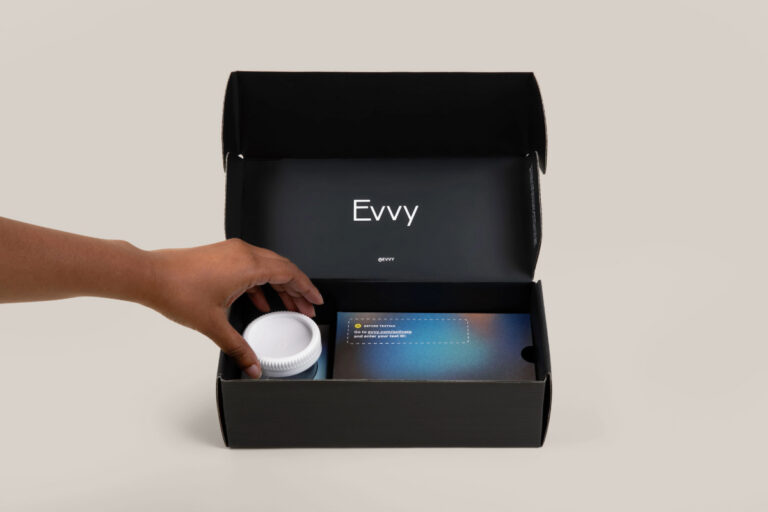
Evvy launched the Evvy Vaginal Health Test, an at-home metagenomics-based vaginal microbiome test. Just recently the company expanded its platform to offer end-to-end care. The new offering includes physician-reviewed results and personalized prescription treatment programs, in addition to the original vaginal health test.
Juno Bio offers a home test kit for womxn wanting to get a better understanding of their vaginal microbiome while also contributing data to further research into womxn’s health.
Daye got started as a "CBD tampon company", and has since evolved to address gynecological health with its recently launched screening kits, that give consumers insights into their sexual and reproductive health.
B2B company Sequential Skin has recently expanded its testing offering to encompass scalp care, intimate care, and oral care on top of our skincare testing. They hope to support brands to make sure that the formulations going into the hands of their consumers are truly backed by quantitative research.