

Wavelet Medical has raised $7 million in seed funding through a partnership with venture studio Aegis Ventures to develop the first non-invasive, AI-powered fetal EEG monitoring platform - technology designed to detect fetal brain distress in real time during labor and delivery.
The problem it addresses: obstetrics has relied on fetal heart rate monitoring for decades, but heart rate doesn't directly measure neurological function and is indeterminate in up to 85% of births. The result is missed cases of hypoxia leading to lifelong brain injury on one side, and unnecessary cesarean sections driven by false positives on the other. Each year in the U.S., more than 35,000 infants suffer brain injuries at birth, and approximately one-third of births are delivered via C-section.
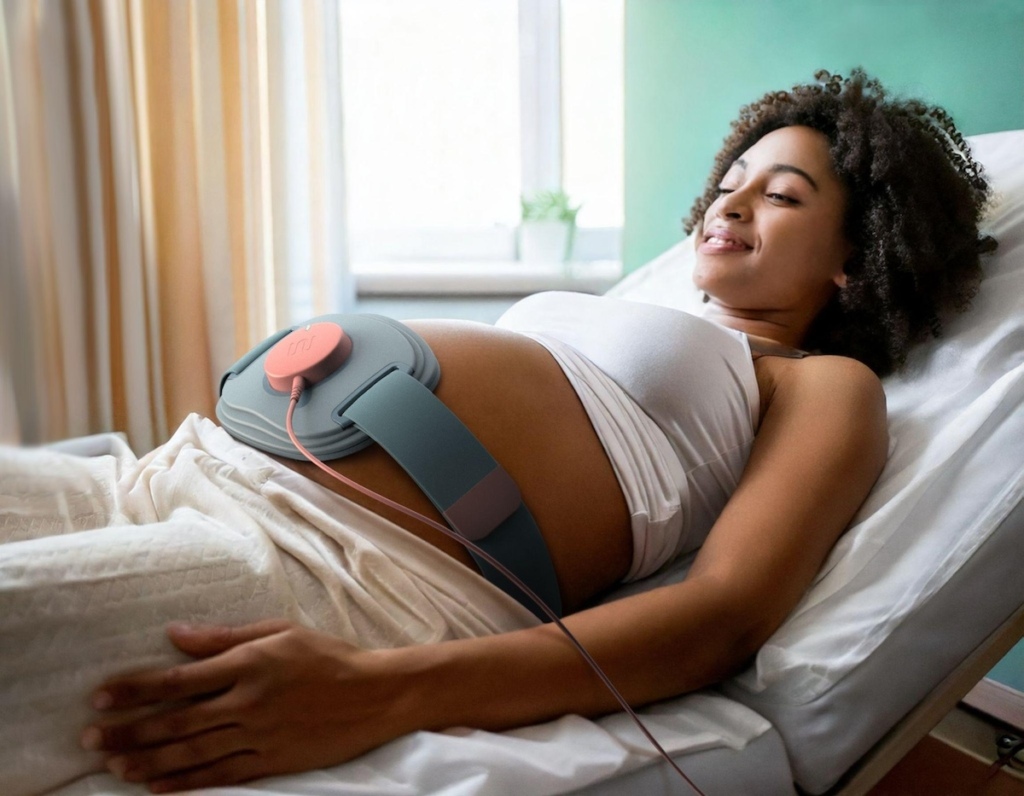
Wavelet's approach measures the brain directly. Using non-invasive EEG captured through the mother's abdomen and reconstructed with proprietary AI algorithms, the platform identifies auditory-evoked brain responses that signal neurological distress - without invasive scalp electrodes or added risk to mother or baby.
"Until recently, noninvasive fetal EEG from the maternal abdomen was not feasible; we are now harnessing AI to reconstruct fetal EEG and translate it into quantitative markers of fetal distress," said Dr. Jose Cortes-Briones, head of science and co-founder.
"This isn't about building a device," said CEO and co-founder Liz Golden. "It's about building a new category in maternal health - one grounded in data, precision, and prevention. With Aegis, we can move faster and reach farther. And that means more babies starting life with the healthiest brain possible."
Clinical leaders see the potential as significant. "Wavelet captures EEG signals from the organ that first shows signs of fetal distress - the brain," said Dr. Brian Kalish, neonatologist at Boston Children's Hospital and associate professor of pediatrics at Harvard Medical School. "If non-invasive EEG demonstrates strong predictive value, it has a very high likelihood of becoming standard of care."
"EEG will become as universal as fetal heart rate monitoring," said Dr. Ja-Young Kwon, director of the Smart Healthcare Center at Yonsei University Institute for Digital Health and a maternal-fetal medicine specialist with 20 years of practice. "Across Asia, mothers are deeply concerned about neurodevelopmental delay. They will demand this technology."
Wavelet was co-founded by Golden, Dr. Emily Lee (chief medical officer), and Dr. Cortes-Briones, with technology developed at Yale. The company is currently testing at three clinical sites and preparing for expanded trials.