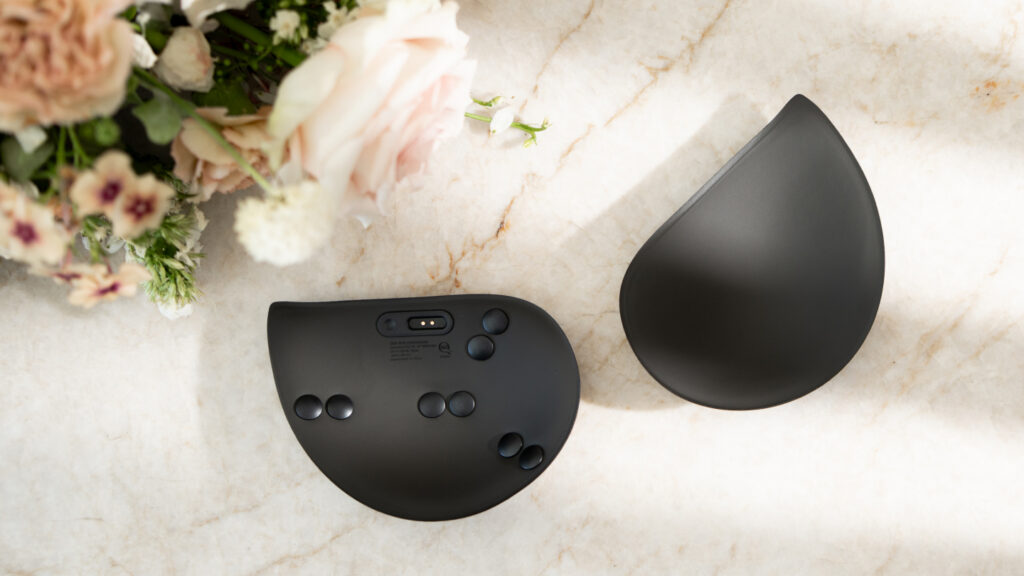



The University of Liverpool has launched the Women's Health Innovation (WIN) Studio alongside £1.8 million in funding - predominantly from the National Institute for Health and Care Research (NIHR) - to evaluate the PPH Butterfly, a low-cost device designed to control postpartum bleeding rapidly and with minimal training.
Postpartum hemorrhage is the leading cause of maternal death worldwide, claiming around 70,000 lives each year. The PPH Butterfly, developed at the University of Liverpool, is designed to be deployable even in the lowest-resource settings where the burden is greatest. The funding supports a multi-center randomized trial across the UK and a global feasibility assessment.
The WIN Studio itself is a broader initiative aimed at accelerating women's health technologies - spanning conditions specific to female biology (endometriosis, menopause, pregnancy complications) as well as diseases that disproportionately or differently affect women. Seven innovations are currently undergoing clinical testing through the Studio, with three developed internally. One product, the LifeStart Trolley for newborn care at birth, has already been commercialized and is used in over 70 UK maternity units and 36 countries worldwide.
"Women's health has often been marginalized within healthcare systems and innovation markets, resulting in treatments, devices and care models that fail to adequately account for women's specific needs," said Dr. Teesta Dey, who leads the PPH Butterfly project. "WIN Studio seeks to change this status quo and reconfigure how health technologies are conceived and delivered."
The Studio operates as a pre-accelerator platform offering clinical expertise, regulatory guidance, and commercial support to innovators developing women's health technologies. It is based at the University of Liverpool in close collaboration with Liverpool Women's University Hospital, one of the largest specialist centers of its kind in the world.