


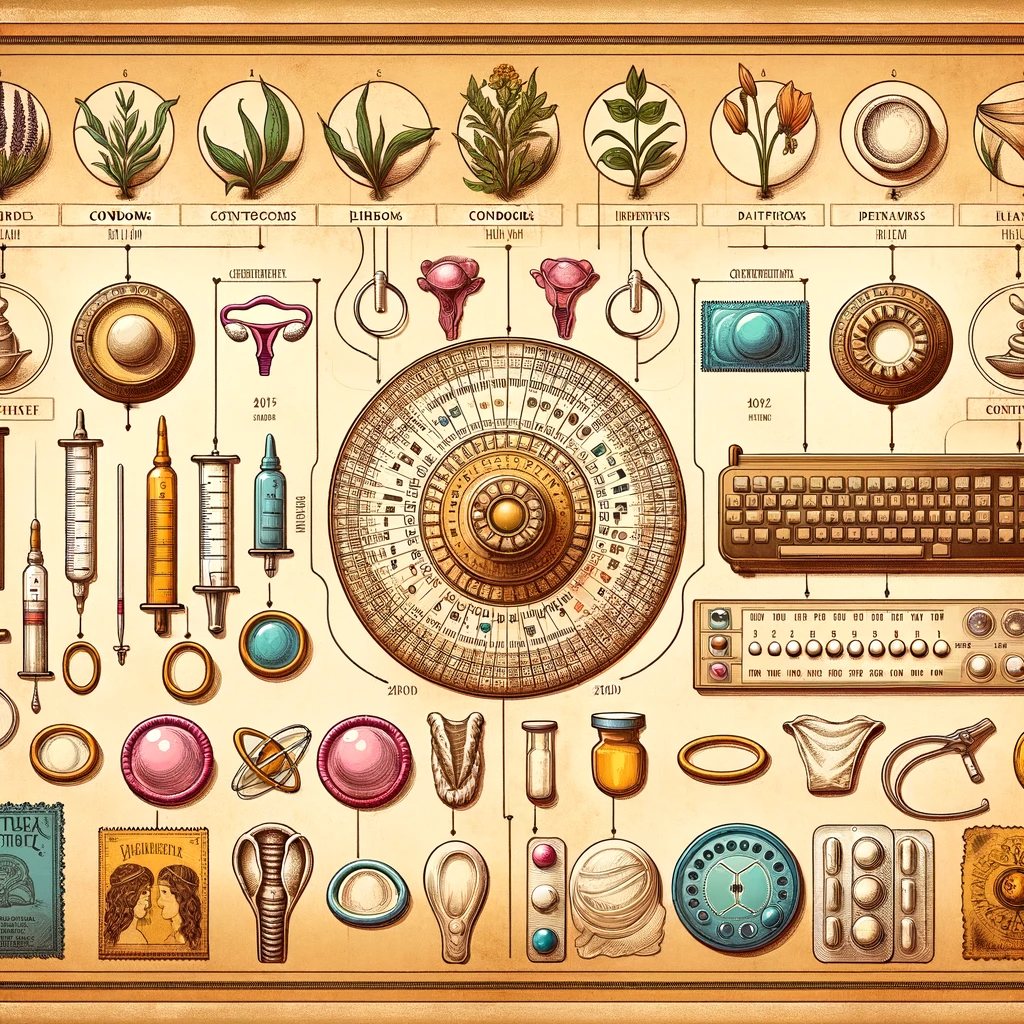
Birth control, also known as contraception, refers to methods or devices used to prevent pregnancy from occurring. It has a long and complex history, dating back to ancient times when various methods were used to avoid unwanted pregnancies. Over time, birth control has evolved significantly, with new and more effective methods being developed. Today, it is a crucial aspect of reproductive health and plays a significant role in family planning.
The use of birth control can be traced back to ancient civilizations such as Egypt, Greece, and Rome, where women used various methods like herbal drinks, pessaries made with natural substances, and even animal bladder condoms to prevent pregnancy. However, it was not until the late 19th century that modern birth control methods were developed.
Some of the major milestones in the history of birth control include:
- The invention of the condom in the 1700s.
- The first oral contraceptive in the 1960s.
- The legalization of birth control in many countries in the 20th century.
- Hormonal
- Barrier
- Intrauterine devices
- Natural family planning
- Sterilization
Key Takeaways:
- Birth control has been used for centuries by various civilizations to prevent pregnancy.
- Modern methods of birth control include hormonal, barrier, and natural family planning options.
- Despite advancements, birth control still faces opposition from religion, government regulations, and concerns about side effects and health risks.
What Is Birth Control?
Birth control, also known as contraception, encompasses various methods and techniques used to prevent pregnancy. It empowers individuals to make informed choices about their reproductive health, allowing them to plan and space out pregnancies as desired. There are several types of birth control methods available, including:- Hormonal methods such as birth control pills, patches, and injections. These methods work by regulating hormones to prevent ovulation or fertilization.
- Barrier methods, such as condoms and diaphragms, physically block sperm from reaching the egg.
- Intrauterine devices (IUDs) are also available, which are small devices inserted into the uterus to prevent pregnancy.
When Was Birth Control First Used?
The history of birth control dates back thousands of years. Ancient Egyptians used a mixture of crocodile dung and honey as a form of barrier contraception. In ancient Greece, women relied on pomegranate seeds as an early contraceptive. The first recorded use of condoms can be traced back to ancient China, where they were made from animal intestines. However, it wasn't until the 20th century that modern birth control methods began to emerge. In 1960, the first oral contraceptive pill was approved for use in the United States, revolutionizing family planning. Today, there are various birth control options available, including condoms, hormonal methods, intrauterine devices (IUDs), and sterilization procedures. It's important to consult with a healthcare professional to determine the best method for individual needs and circumstances. Remember, the effectiveness and safety of each method can vary, so it's crucial to make an informed decision.What Are The Different Methods Of Birth Control Used In Ancient Times?
In ancient times, various methods of birth control were used to prevent pregnancies, including the following:- Barrier methods: Women used different types of barriers, such as animal intestines or plant fibers, to prevent sperm from reaching the egg.
- Herbal contraceptives: Ancient cultures relied on the use of various herbs and plants with contraceptive properties. For example, ancient Egyptians used papyrus as vaginal suppositories, while Greeks and Romans used plants like Queen Anne's lace as a natural contraceptive.
- Mechanical methods: Some ancient civilizations, like the Greeks, used mechanical methods of birth control. They utilized techniques such as tampon-like devices made from wool soaked in a mixture of honey and olive oil to act as a physical barrier.
- Withdrawal method: The withdrawal method, also known as "coitus interruptus," was practiced in ancient times. Men would withdraw their penis from the vagina before ejaculation, attempting to prevent sperm from entering the uterus.
How Did Birth Control Evolve Over Time?
Throughout history, the concept and methods of birth control have evolved significantly. Here is a list of steps that illustrate the evolution of birth control methods over time:- Traditional Methods: Early forms of birth control included the use of herbs, animal intestines, and other materials to create barriers or block sperm.
- Condoms: The use of condoms made from materials like animal skin or linen became popular during the 16th century.
- Chemical Methods: In the 19th century, chemical methods such as douching with various substances were used as birth control.
- Hormonal Methods: The 20th century saw the development of hormonal birth control, introducing options such as contraceptive pills, patches, injections, and implants.
- Intrauterine Devices (IUDs): IUDs emerged as a popular long-term contraceptive option in the mid-20th century.
- Sterilization: Surgical procedures such as tubal ligation and vasectomy became prevalent as permanent methods of birth control.
What Were The Major Milestones In The History Of Birth Control?
Throughout history, the development of birth control has seen several major milestones. These milestones have played a crucial role in shaping the contraceptive methods we have today. Some significant milestones in the history of birth control include:- Ancient Methods: In ancient times, various methods were used for birth control, such as the use of herbs, animal intestine condoms, and even vaginal pessaries.
- Condoms: The invention of the modern condom in the seventeenth century marked a significant milestone. These early condoms were made from materials like linen, silk, and animal intestines.
- The Pill: The introduction of the birth control pill in the 1960s revolutionized contraception. It provided a reliable and convenient method for women to prevent pregnancy.
- Legalization: The legalization of birth control and the landmark Supreme Court case Griswold v. Connecticut in 1965 ensured access to contraception for married couples.
- Advances in Technology: The development of long-acting reversible contraceptives (LARCs) such as intrauterine devices (IUDs) and implants provided more options for effective birth control.
What Role Did Women Play In The Development Of Birth Control?
Throughout history, women have played a crucial role in the development of birth control methods. Their determination to take control of their reproductive health and exercise their rights led to significant advancements in birth control technologies and access. Women were the driving force behind advocating for safe and effective contraceptive options. One notable figure is Margaret Sanger, who fought tirelessly for women's reproductive rights and founded Planned Parenthood. Sanger's efforts led to the development of the first oral contraceptive pill, which revolutionized birth control methods and gave women greater control over their fertility. Women also played a pivotal role in conducting research and clinical trials for various birth control methods. Their participation was instrumental in ensuring the safety and efficacy of these methods. In addition to their contributions to research and advocacy, women have played an essential role in normalizing conversations around birth control and breaking societal taboos. Their openness and willingness to discuss reproductive health have helped educate and empower other women to make informed choices.What Are The Different Types Of Modern Birth Control?
Birth control has a long and complex history, but in modern times, there are several different types available. In this section, we will delve into the various options for birth control and discuss their mechanisms and effectiveness. From hormonal birth control to barrier methods, intrauterine devices, natural family planning, and sterilization, each method has its own unique benefits and considerations. So, let's explore the different types of modern birth control and how they work.1. Hormonal Birth Control
Hormonal birth control is a commonly used form of contraception that involves the use of hormones to prevent pregnancy. Here are the steps involved in using hormonal birth control:- Consultation: Schedule an appointment with a healthcare provider to discuss your options and determine if hormonal birth control is the best choice for you.
- Prescription: If deemed appropriate, your healthcare provider will prescribe the specific type and dosage of hormonal birth control that is most suitable for your needs.
- Start of Use: Begin taking the prescribed hormonal birth control as instructed by your healthcare provider. This may involve taking a pill at the same time each day or using other methods such as patches, injections, or implants.
- Consistency: It is crucial to use hormonal birth control consistently and correctly in order for it to be effective. Follow the instructions provided by your healthcare provider to avoid unintended pregnancy.
- Follow-up: Regularly visit your healthcare provider for check-ups and to discuss any concerns or side effects you may be experiencing. They can help adjust your dosage or suggest alternative methods if needed.
2. Barrier Methods
When it comes to birth control, barrier methods are a popular choice. These methods work by creating a physical barrier between the sperm and the egg, preventing fertilization. Here's a step-by-step guide to using barrier methods effectively:- Select the right barrier method for you. Options include male and female condoms, diaphragms, cervical caps, and contraceptive sponges.
- Read and understand the instructions provided with the chosen barrier method.
- Ensure that the barrier method is properly stored and not expired.
- Use the barrier method consistently and correctly every time you have sex.
- For male condoms, pinch the tip before rolling it onto the erect penis.
- For female condoms, insert it into the vagina before sex.
- For diaphragms and cervical caps, insert them into the vagina and make sure they cover the cervix.
- For contraceptive sponges, wet it with water and insert it into the vagina.
- After sex, carefully remove the barrier method and dispose of it properly.
- Consider using additional lubrication if needed, but make sure it is water-based to avoid damaging the barrier method.
3. Intrauterine Devices
Intrauterine devices (IUDs) are a popular and effective form of modern birth control. Here are the steps involved in using IUDs:- Consultation: Schedule an appointment with a healthcare provider to discuss the suitability of an IUD for you.
- Selection: Choose the type of IUD that suits your needs. There are two main types: hormonal and non-hormonal.
- Insertion: During a visit to your healthcare provider, the IUD will be inserted into your uterus. The procedure is quick and typically done in-office.
- Placement check: After insertion, your healthcare provider will check to ensure the IUD is properly placed and in the correct position.
- Follow-up: Schedule a follow-up appointment to evaluate your experience with the IUD and address any concerns or questions you may have.
- Regular check-ups: Periodically visit your healthcare provider for routine check-ups and to ensure the IUD is still in place.
- Removal: When you decide to discontinue using the Intrauterine Device or when it reaches its expiration date, your healthcare provider will remove it during a simple in-office procedure.
4. Natural Family Planning
Natural family planning, also known as fertility awareness-based methods, is a form of birth control that involves keeping track of and understanding a woman's menstrual cycle to determine when she is most fertile. This method relies on observing changes in cervical mucus, basal body temperature, and the length of the menstrual cycle to identify the fertile window. Here are the steps involved in natural family planning:- Track menstrual cycle: Keep a record of the start and end dates of each menstrual period.
- Check basal body temperature: Take your temperature every morning before getting out of bed. A slight rise in temperature indicates ovulation.
- Observe cervical mucus: Pay attention to changes in the consistency and amount of cervical mucus throughout the cycle. The presence of clear, slippery mucus indicates fertility.
- Use calendars and apps: Utilize menstrual calendars or fertility tracking apps to help you keep track of your cycle and predict fertile days.
- Avoid intercourse during fertile days: Abstain from sexual intercourse or use barrier methods during the fertile window to prevent pregnancy.
5. Sterilization
Sterilization is a highly effective permanent form of birth control that prevents pregnancy by surgically blocking or removing a person's reproductive organs. The process involves the following steps:- Consultation: The first step is to consult with a healthcare provider to discuss the options and determine if sterilization is the right choice.
- Preparation: Before the procedure, the individual may need to undergo some tests and evaluations to ensure they are a suitable candidate for sterilization.
- Surgical Procedure: The sterilization procedure can be done through various methods, such as tubal ligation for women or vasectomy for men. These surgeries are typically performed under anesthesia.
- Recovery: After the procedure, there is a recovery period during which the individual may experience some discomfort and should follow the healthcare provider's instructions for post-operative care.
- Effectiveness: Sterilization is considered a permanent method of birth control, with a success rate of over 99% in preventing pregnancy.
What Are The Controversies Surrounding Birth Control?
While birth control has become an essential part of modern life, its history has been plagued with controversies. In this section, we will delve into the various controversies surrounding birth control, from religious opposition to government regulations and concerns about side effects and health risks. By examining these issues, we can gain a better understanding of the complex and ongoing debates surrounding this crucial aspect of reproductive health.1. Religious Opposition
Religious opposition to birth control has been a significant factor in shaping attitudes and policies surrounding contraception. Here are some key points to consider:- Religious beliefs: Understand the religious perspectives on birth control, such as the Catholic Church's opposition to artificial contraception due to their belief in the sanctity of life.
- Doctrinal teachings: Familiarize yourself with the specific doctrines that guide religious opposition to birth control, including the emphasis on procreation and the natural order of human sexuality.
- Religious exemptions: Be aware of religious exemptions that allow certain religious organizations or individuals to opt out of providing or using birth control based on their religious beliefs.
- Legal battles: Learn about the legal battles that have occurred over religious objections to birth control, such as the Supreme Court case Burwell v. Hobby Lobby, which granted certain religiously affiliated employers the right to deny contraceptive coverage to their employees.
- Alternative methods: Explore alternative methods of family planning that align with religious beliefs, such as natural family planning methods that track fertility cycles.
2. Government Regulations
Government regulations play a crucial role in ensuring the availability and accessibility of birth control methods. Here are some steps involved in government regulations related to birth control: For more information on the history of birth control, you can read The History of Birth Control.- Licensing and approval: Governments regulate the production and distribution of birth control methods, ensuring they meet safety and efficacy standards.
- Availability and accessibility: Governments determine whether birth control methods can be sold over the counter or require a prescription, impacting their accessibility for individuals.
- Funding and insurance coverage: Governments may provide funding or require insurance coverage for certain types of birth control methods, making them more affordable for individuals.
- Educational programs: Governments may implement educational programs to promote awareness and understanding of birth control methods, ensuring individuals make informed decisions.
- Regulation of advertising: Governments regulate advertising practices of birth control methods to prevent misleading or false claims and protect consumer rights.
3. Side Effects And Health Risks
When considering the topic of potential side effects and health risks associated with birth control, it is crucial to understand that different methods can have varying effects on individuals. Here are some potential side effects and health risks to keep in mind:- Hormonal birth control can cause side effects such as nausea, headaches, mood changes, and weight gain. It may also increase the risk of blood clots and certain types of cancer.
- Barrier methods like condoms can lead to irritation or allergic reactions in some individuals.
- Intrauterine devices (IUDs) may result in cramping, spotting, or an increased risk of pelvic inflammatory disease.
- Natural family planning methods, while generally safe, may not be as effective at preventing pregnancy as other methods.
- Sterilization methods, such as tubal ligation or vasectomy, are considered permanent and irreversible.