


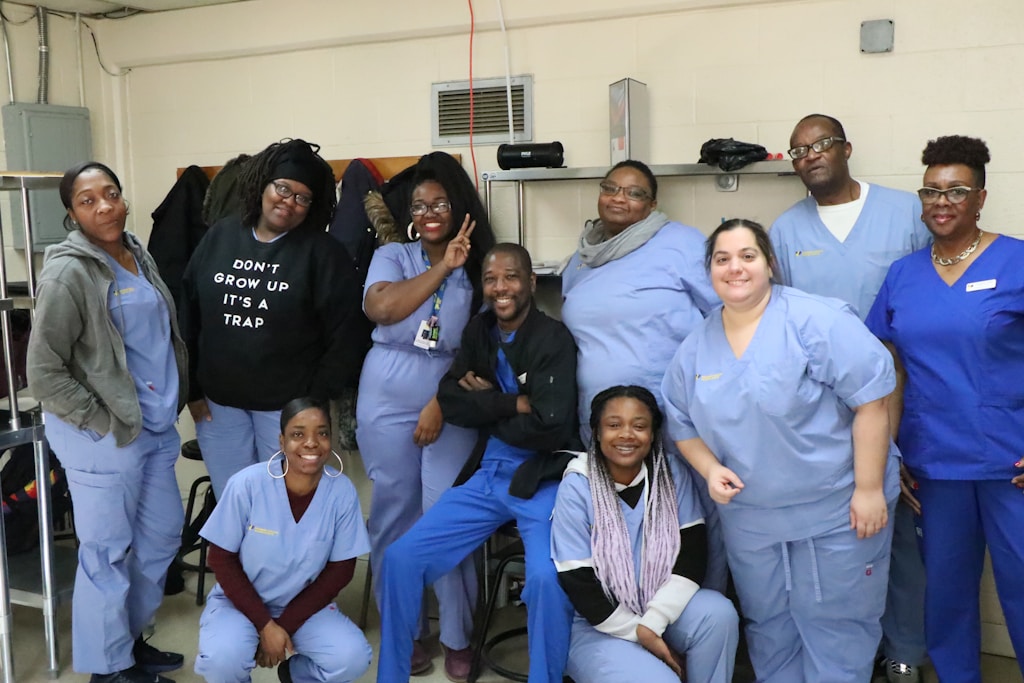
Modern medicine is now at a pace where demands are as persistent as the clinicians who power it. For decades, most facilities have relied on measures such as mandatory overtime and agency hires to staff inopportune gaps in coverage.
Medical directors and leaders across the United States are beginning to look beyond common staffing practices in an effort to ensure maximum operational longevity.
Exploring a different perspective could transform the way every facility operates with its team, an advancement toward a more sophisticated healthcare staffing model with great advantages.
An Effective Long-Term Staffing Approach
Today’s directors constantly navigate a complex reality where demand for proper care frequently outpaces the supply of qualified clinicians. Leaders who continue to react shift-to-shift find themselves caught in a cycle of constant disruption.
Building a foundation of permanent staff is possibly the only way to safeguard against a future where nursing shortages are projected to worsen.
Shifting towards long-term healthcare staffing is driven by the need for consistency in an unpredictable market to provide a barrier against the external pressures that often lead to burnout and operational gaps.
Addressing the Aging Workforce & Accelerated Retirements
The aging workforce isn’t only a healthcare problem. Industries across the country are facing the same issue. Across the U.S. workforce, workers aged 55 or older have been the fastest-growing age group in the national labor force for more than 2 decades, now making up nearly 25% of the nation’s workforce.
In medical institutes and facilities, the departure of veteran healthcare clinicians is not only an additional weight to the shortage, but is also a loss of institutional knowledge and mentorship.
Without an effective strategy to replace retiring medical professionals with the next generation of knowledgeable, reliable, and permanent clinicians, facilities risk falling into a perpetual state of crisis.
Trends Toward Full-Time Stability
Clinician work preferences show to be mixed, as trends show a growing desire for the security that comes with permanent positions, while also wishing for a healthy work-life balance.
Many professionals are now seeking the benefits of workforce stability, including community connection, predictable schedules, and professional growth.
Creating attractive, long-term roles allows facilities to capture talent and reduce their reliance on high-cost external assistance. Long-term staffing strategies enable organizations to focus on their primary mission of delivering exceptional patient care.
Defining a Modern Long-Term Staffing Strategy
For too long, the healthcare industry has operated on a “coverage-first” basis, where success is measured simply by having a body in a shift to meet minimum ratios.
To build true resilience, facilities must transition to a different form of thinking, focusing on the team’s capacity to handle fluctuating patient acuity and volume without compromising the well-being of staff.
Thoughtful long-term workforce planning anticipates needs rather than reacting to emergencies.
Implementing Hybrid Staffing Models
Healthcare facilities and hospitals can implement a hybrid staffing model. This approach doesn’t seek to replace permanent staff but rather to protect them by integrating contingent workforce healthcare layers.
Utilizing float pool staffing or per diem clinicians, facilities may effectively manage peak demands without resorting to mandatory overtime.
Hybrid models act as “shock absorbers” for an organization. When census rises unexpectedly, per diem clinicians can immediately step in to maintain safe levels of care, allowing the permanent team to stay focused on their primary roles.
Successfully implementing a hybrid workforce model requires constructing an environment where a facility’s core staff is protected and supported.
Aligning Hiring and Retention with Long-Term Growth
To be truly long-term, every administrative action must align with the organization’s growth goals. Recruiting and retention in healthcare are the two sides of the same coin.
Hiring isn’t merely filling a vacancy; it’s about finding the professional who best fits the culture and long-term vision of the unit.
Aligning it all together with scheduling and proper work-life balance is equally vital. When clinician engagement and job satisfaction improve, patient care continuity improvements become natural byproducts.
Stable, well-supported teams remain longer, enact a facility’s protocols more effectively, and provide better care to patients.
Transformative Benefits of a Long-Term Staffing Strategy
Adopting long-term staffing restores professional dignity and operational stability.
When leadership prioritizes a capacity-first mindset, benefits extend from the boardroom to the bedside, creating an environment where excellence is the standard and rewarded.
Improved Retention and Reduced Burnout
Minimizing the pressure of mandatory overtime is among the most effective strategies for reducing nurse turnover. When clinicians feel supported, morale rises and retention stabilizes.
Greater Labor Cost Savings
The cost benefits of long-term staffing models are superior. Shifting away from high-premium, emergency agency contracts and toward a predictable hybrid model allows for far better budget control.
Operational Efficiency Gains
Adapting hybrid staffing models across hospitals ensures that resources are utilized precisely when and where they are needed most.
Better Patient Outcomes
Stability is the key to improving patient care continuity. Consistent staffing in units reduces communication gaps, resulting in higher safety standards and better patient satisfaction.
Emphasizing a sustainable workforce ensures teams are always prepared for the future while delivering quality patient care.
Helpful Tips for Adapting to Long-Term Staffing
Deliberate shifts from immediate crisis management to strategic infrastructure building are necessary to transition to efficient long-term staffing.
How do you shift to long-term healthcare staffing?
It doesn’t happen overnight; it involves a series of intentional adjustments to how a facility views and values its workforce.
1. Redesign Internal Staffing Structures
Evaluate whether your current structures support or hinder long-term growth.
This will often involve the modernization of healthcare relations between managed service providers or the reimagination of the allocation of internal resources.
2. Invest in Retention Before Recruitment
While hiring is necessary, retention is one of the key pillars for proper workforce stability. Facilities that cannot keep their current staff will find their recruitment efforts are merely filling a “leaky bucket.”
Clinician retention strategies include:
- Career pathways and advancement: Create clear trajectories for professional growth within your organization.
- Professional development and mentorship: Invest in the clinical expertise of your team to increase their confidence and loyalty.
- Scheduling flexibility as a retention tool: Allow clinicians more autonomy over their time to combat burnout.
3. Use Digital Registry Strategically
Utilizing staffing technology in the form of online staffing platforms like Nursa supports mindful recruitment by enabling directors to directly discover clinicians who are a perfect fit for the facility.
Unlike traditional staffing agencies, many of these platforms enable healthcare facillities to fill shifts with these clinicians directly, cutting out agency intermediaries. Additionally, facilities can recruit these professionals for permanent roles with no “finder’s fees,” making it an excellent tool for long-term workforce planning.
4. Aligning Leadership & Frontline Managers
Executive leadership and those on the floor must be aligned in order for change to take effect. Directors of Nursing (DONs), administrators, and schedulers must all work together and toward the same mission, requiring shifting performance metrics away from the simple metric of “just filling shifts.”
Overcoming Barriers to Lasting Change
Long-term healthcare staffing requires careful integration of workforce optimization strategies.
A pervasive short-term mindset and the “urgency culture” of daily shifts will always stall progress toward improving the sustainability of your healthcare workforce.
Budget constraints and fear of short-term costs can blind leadership to the significant cost benefits of long-term staffing models.
By overcoming these challenges, leaders move beyond temporary fixes to achieve true workforce stability. Shifting to a proactive, hybrid strategy ensures a resilient future for both clinicians and patient care.