


February 2026 was a quieter month for fundraising, but one could argue that the deals that did close provide some interesting insights into where the market is heading. Venture activity slowed, and the capital that did move came increasingly from strategic and institutional sources rather than traditional VC. The acquisition side was busy and varied in shape.
Here's our breakdown:
Funding (and Funder) Overview
The standout deal of the month was definitely Midi Health's $100M Series D, which pushed the company past a $1 billion valuation. That milestone matters beyond the headline number - it is a signal that midlife and menopause care can actually scale.
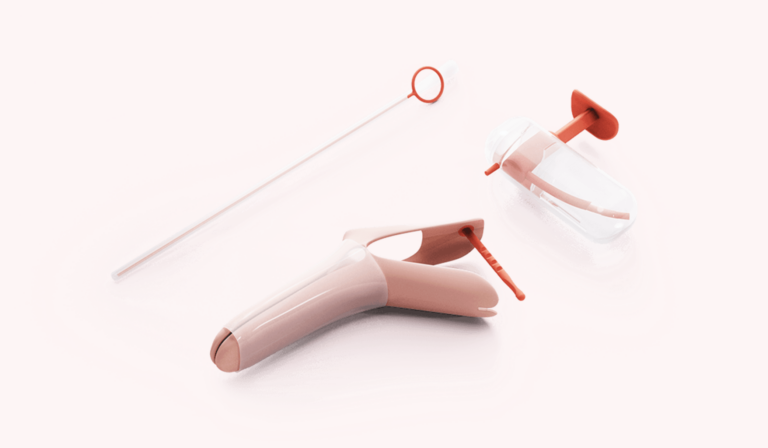
The rest of the funding picture reflects a broader shift into more diversified funding sources. Pregnolia, which is developing a diagnostic device to improve preterm birth prediction, secured $4.4M from the European Innovation Council, and Samsung NEXT made a strategic investment in Nucleus Genomics, a whole-genome sequencing platform. These are not traditional venture rounds - they are mission-aligned or corporate-backed investments in platforms with a long clinical runway. The same logic applies at the earliest stage: 28x, a free, fully on-device period tracking and women's health app, launched with £1.2M led by the Philips Foundation, with serial entrepreneur Amber Vodegel at the helm. The philanthropic funding structure is a deliberate reflection of the mission - 28x does not collect user data and has no plans to monetize through subscriptions, which may limit its potential to attract traditional VC funding from the start.
Deep Tech & Science
The investment in hard science continued this month, both through funding and through acquisition. Cambiotics, which is developing a probiotic supplement to remove PFAS from the body, raised €4M - an early but telling indicator of how environmental health is starting to attract capital. YOU(th) Health Tech raised $4.5M for a platform that turns smartphones into preventative health screening tools, and Matresa closed a £315K pre-seed for an AI-powered maternal health platform focused on shifting care from reactive to preventative.
The M&A activity in this section is where things get more significant. Gedeon Richter acquired Celmatix's women's health drug discovery portfolio, adding drug programs in fertility, endometriosis, and ovarian aging to its pipeline. Sensei Biotherapeutics acquired Faeth Therapeutics and raised $200M alongside the deal to advance an oral cancer therapy targeting endometrial and breast cancer. Natus Sensory acquired TheraB Medical to scale SnugLit, a wearable phototherapy device for neonatal jaundice.
Filling the Gaps
The remaining acquisitions in February follow a bit of a different logic. Rather than buying science or absorbing a competitor, these deals are about completing a care pathway or opening a market that might otherwise require years to build from scratch.
Epicured's acquisition of Chiyo extends its food-as-medicine model - originally built around digestive health - into women's nutrition, covering cycle support, fertility, pregnancy, and postpartum. Medichecks acquired My Menopause Centre, combining its home testing infrastructure with a CQC-rated menopause clinic - a practical move for a company that already had the diagnostic side and needed the care side to match.
EncorVita Health's acquisition of HerMD's menopause education platform follows a different logic again. HerMD built clinical training tools and protocols through more than a decade of running women's health clinics. EncorVita is now deploying those same assets to train aesthetic clinic providers in menopause care - a setting where women are already present but clinical menopause expertise has historically been absent. The acquisition gives EncorVita a validated clinical curriculum which may have taken years to develop independently.