


Paris-based endogene.bio has led a study published in Nature demonstrating that menstrual blood-derived stem cells can accurately detect endometriosis using DNA methylation profiling - a technique already widely used in cancer diagnostics. The approach achieved 81% diagnostic accuracy (79% sensitivity, 83% specificity) in distinguishing participants with endometriosis from those without.
The key innovation: Rather than culturing menstrual blood-derived stem cells in a lab (which alters their molecular makeup), the team freshly isolated the cells directly from menstrual blood samples, preserving their molecular integrity. Scientists believe these stem cells are the cells that drive lesion formation in endometriosis, making direct analysis of their epigenetic signatures a more biologically relevant window into how the disease behaves.
The study analyzed samples from 19 endometriosis patients and 23 controls, using machine learning algorithms trained on DNA methylation patterns. Beyond binary diagnosis, the methylation patterns also revealed how endometriosis was behaving differently across patients - offering potential for patient stratification and personalized treatment approaches.
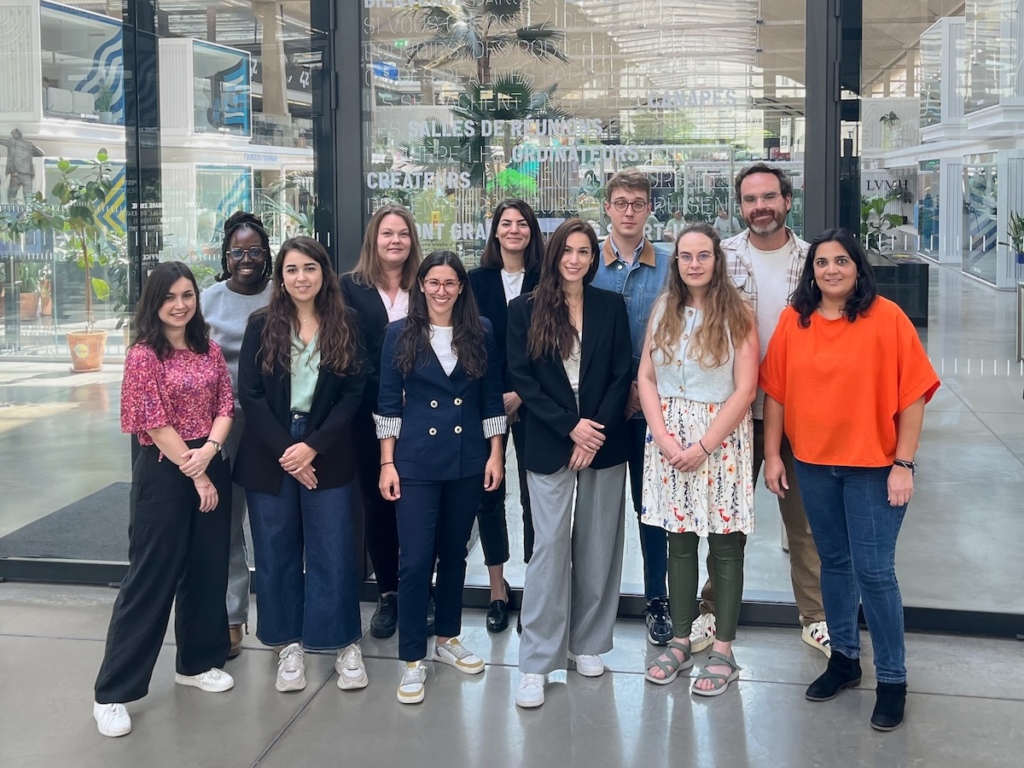
"By accessing the molecular signals in menstrual blood, we're unlocking information about endometriosis activity that was previously only available through surgery," said co-founder and CEO Dr. María Teresa Pérez Zaballos. "Many members of our team are endometriosis patients themselves, myself included. Our firsthand understanding of the diagnostic delays, clinical blind spots, and emotional toll of endometriosis shapes every decision we make."
The study was carried out with Hospital Clínic Barcelona and Hospital Universitario Insular de Gran Canaria. Next steps include validation in a larger patient group with the goal of developing a non-invasive diagnostic test.
The growing body of evidence around menstrual blood as a diagnostic medium reflects a broader recognition that the most accessible biological sample in women's health has been dramatically underutilized.