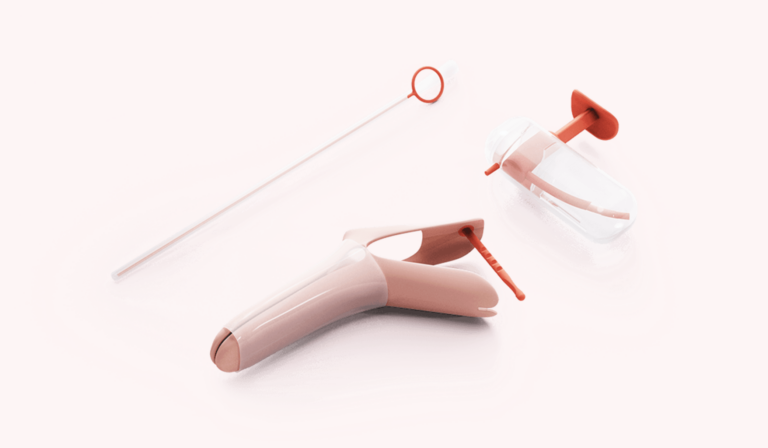


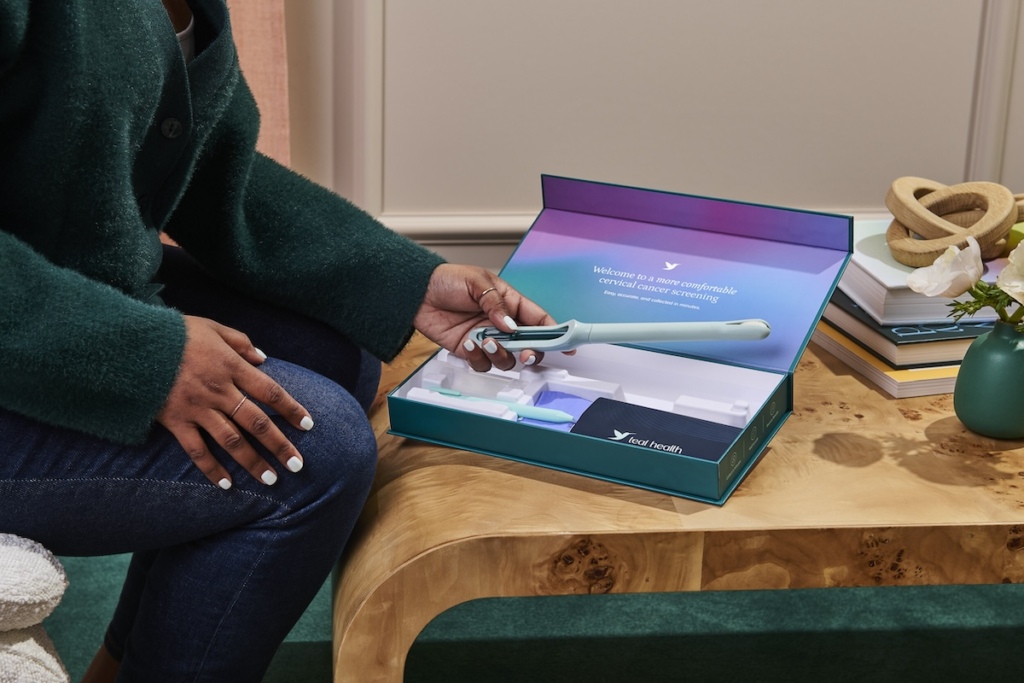
Teal Health has launched its at-home cervical cancer screening service nationwide, making the FDA-authorized Teal Wand self-collection device available to women across all 50 U.S. states. The San Francisco-based company received FDA authorization in May 2025.
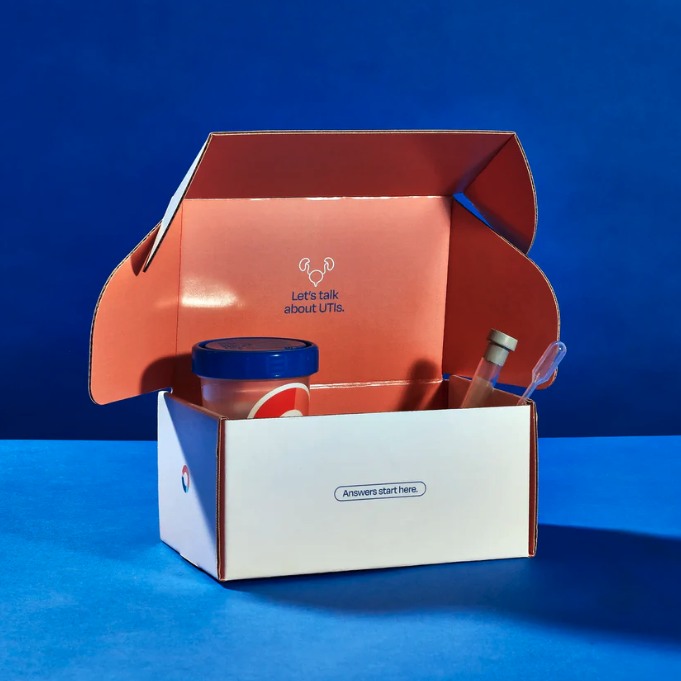
The service costs $99 with in-network insurance and $249 without, and is HSA/FSA eligible. Users order a kit through the company's website, complete a virtual visit to confirm eligibility, collect a sample at home, and mail it to a lab for primary HPV testing. Results are delivered through a secure portal with virtual follow-up if needed.
The launch follows updates to cervical cancer screening guidelines from the American Cancer Society (ACS) and the U.S. Department of Health and Human Services (HHS). ACS now includes self-collection for primary HPV testing as a recommended screening option, while HHS has endorsed self-collection and will require insurance coverage for screening and follow-up testing by January 2027.
Nearly 1 in 3 U.S. women are behind on cervical cancer screening, despite the disease being nearly 100% preventable through routine screening. Screening rates have declined over the past decade, with barriers including lack of appointment availability, discomfort, and past trauma.
"Women have been asking for a better option, and now it is here," said Kara Egan, CEO and Co-Founder of Teal Health. "We are proud to bring at-home screening to women across the country, and we have been building fast to get here, a place where this option is now available for everyone who wants it across the United States."
In Teal's 16-site clinical trial, the Teal Wand detected cervical precancer 96% of the time, with performance equal to clinician-collected samples. 94% of participants preferred the Teal Wand for comfort, ease, and privacy.
Liz Swenson, MD, OBGYN and Medical Director at Teal Health, said: "I've spoken with hundreds of women who have completed their screening through Teal. Many had wanted to stay current on this critical screening, but were uncomfortable, nervous, or unable to get screened in a traditional setting. Seeing the relief and pride they feel afterward has been profoundly motivating, both personally and professionally."