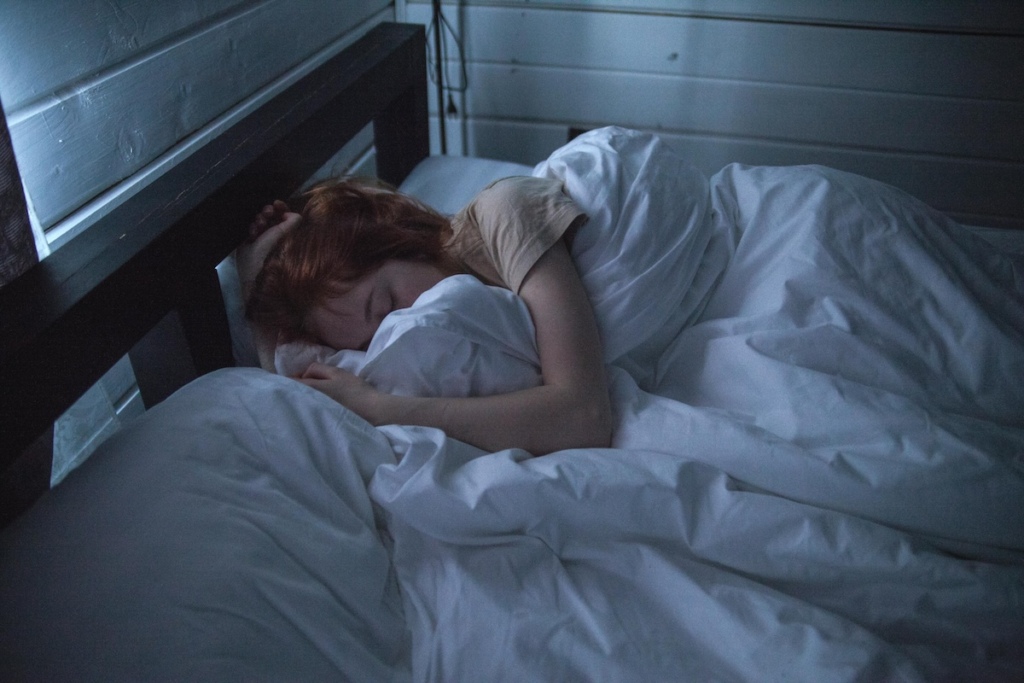
| A few years ago, like many other founders, I found myself running on fumes, struggling to balance work, life, and everything in between. My health was suffering, and the list of changes I needed to make felt endless. That's when someone recommended I 'start with sleep'. The idea was that better sleep would give me the energy and focus to tackle everything else. I jumped in with both feet – Oura ring on hand, "Why We Sleep" on my nightstand, and a commitment to swapping screens for pages before going to bed. I even ventured into the world of weighted blankets, sleep masks, and supplements like magnesium, melatonin, and ashwagandha. You name it. I've tried it. Since back then the demands of founder life meant that sleep has remained a constant challenge. And while I'm fortunately in a much better place today healhwise than I was back then, I'm not sure if any of these sleep-related tactics really were the magic bullet. That being said though: I remain fascinated by the intricate relationship between sleep and health. So today, let's delve into this topic that's so crucial, yet often relegated to the back burner, let's talk about women's sleep health. 👇 The Unique Sleep Challenges Women Face To start with women's sleep issues are distinctly different from men's, influenced by a complex interplay of biological, hormonal, and societal factors. Research shows women are 40% more likely to experience insomnia than men, yet their sleep disorders often go underdiagnosed or misdiagnosed. The female body's hormonal landscape plays a crucial role in sleep patterns. Throughout their lives, women navigate sleep disruptions tied to their menstrual cycle, pregnancy, and menopause. During the luteal phase, many women experience sleep difficulties due to dropping progesterone levels. Pregnancy brings its own set of challenges with physical discomfort and increased nighttime awakening, while menopause often introduces sleep disruptions through hot flashes and night sweats. Recent studies underscore the bidirectional relationship between sleep and hormones: Insufficient sleep can disrupt estrogen and progesterone levels, key regulators of menstrual cycles and fertility. Conversely, hormonal shifts during menstruation, pregnancy, and menopause can lead to fragmented sleep or insomnia. Generally speaking addressing sleep issues could have cascading benefits for women's hormonal health:Menstrual Cycle: Sleep disturbances during the luteal phase are linked to lower progesterone levels, exacerbating premenstrual symptoms like mood swings and fatigue.Pregnancy: Poor sleep during pregnancy increases the risk of complications like gestational diabetes and postpartum depression.Menopause: Hot flashes and night sweats disrupt sleep for up to 85% of menopausal women, contributing to heightened stress and cardiovascular risks.The Innovation Landscape Seems like an interesting space to be in, right?! And indeed what we are seeing is that the market is beginning to respond to these unique needs, though perhaps not as rapidly as one might expect. Below are a few solutions that are starting to gain traction: Digital SolutionsSheSleeps has emerged as a dedicated sleep tracking app for women.The Oura Ring (formerly the go-to solution for those looking to improve their sleep quality), while not exclusively focused on women's health, has expanded its features to include menstrual tracking and women's health metricsEmbr Labs Wave 2 known for its hot flash-fighting wearable technology, is also adding more sleep related features.Physical ProductsInnovation in smart textiles has led to temperature-regulating sheets and sleepwear, addressing common issues like night sweats (a common issue for post-menopaual women)An example for innovation in this space would be Lusomé.Supplements We're seeing growing interest in sleep-supporting supplements like melatonin, magnesium and ashwagandha (and blends).An example here would be Unfabled's Ashwaganda gummie supplement which was created and launched in response to the ecommerce platforms' customers' most pressing needs. Sleep as a Biomarker Beyond the dedicated solutions mentioned above I believe that one of the most interesting developments in the space is the growing recognition of sleep quality as a valuable biomarker for women's health. Poor sleep patterns can signal various health conditions, from hormonal imbalances to mental health challenges, which has led to increased integration of sleep tracking in women's health apps and devices, using it as one of several data points to provide more comprehensive health insights. In fact, poor sleep patterns are increasingly seen as early warning signs for conditions such as:Mental Health Disorders: Women with disrupted sleep are at higher risk for anxiety and depression due to hormonal sensitivity and societal stressorsCardiovascular Disease: Sleep deprivation has been linked to increased blood pressure, inflammation, and heart disease—conditions that disproportionately affect postmenopausal women.Cognitive Decline: Studies suggest that irregular sleep patterns may accelerate cognitive aging in women, particularly those over 50.This makes integrating sleep tracking into wearable devices or health apps essential for preventative care, and also the most common way sleep shows up in the women's health ecosystem today. So What's Next for Women's Sleep Health? While we might not see a surge in women-specific sleep companies, I believe that the conversation around women and sleep is starting to gain momentum, and there will be:More nuanced research into women's sleep patterns and needsBetter integration of sleep data in existing women's health solutionsIncreased personalization in sleep products and recommendations based on hormonal cyclesGrowing awareness of the connection between sleep, stress, and mental health The question that remains though is whether or not women-specific sleep products are the path forward of whether personalization of general sleep products is the path forward. A few thoughts on this: While existing solutions like wearables and general sleep apps offer value, they often fail to address the unique biological and societal factors affecting women's sleep. E.g.Women are more likely than men to experience insomnia but less likely to receive tailored treatment due to underdiagnosis.Caregiving roles disproportionately impact women's ability to prioritize sleep.On the other hand many exisiting solutions are quite advanced in terms of their algorthms and offering, and applying a gender lens (as happened e.g. in Oura's case) can creates a great, tailored experience for women. So overall I believe that the future of women's sleep health lies not necessarily in standalone solutions. But the thoughtful integration of sleep science into the broader women's health ecosystem is crucial. Innovation is happening, and i'm excited to see where this will lead us this year. The challenge now is to ensure that innovation keeps pace with research and that women's unique needs remain at the center of progress - in women's sleep health and beyond. |



Copyright © 2026 Fitt. All rights reserved. Privacy Policy. Terms and Conditions.


