


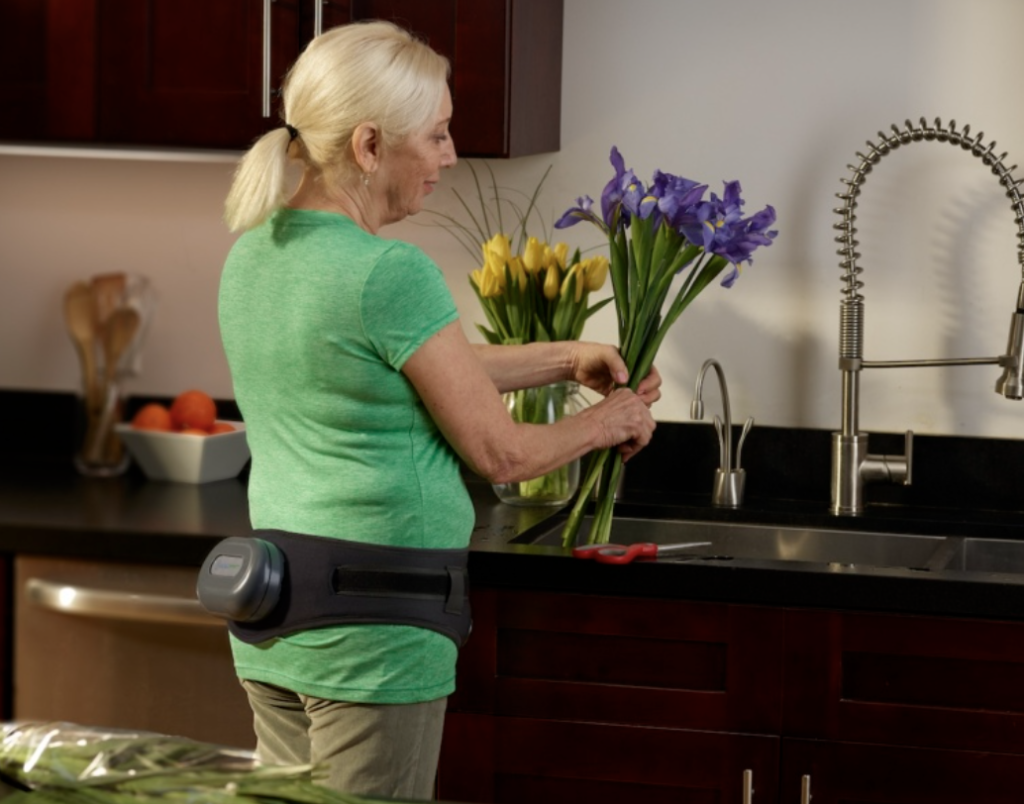
Ever since I started writing about women's health a few years ago, bone health has been somewhat of a topic in the ecosystem. Back then, the one company everyone pointed to was Bone Health Technologies and their Osteoboost device.
A lot has happened since. At Bone Health Technologies, they've added patents, raised additional funding, acquired digital health company Wellen, received FDA approval and eventually launched their device in the market. And in the greater ecosystem, bone health has gained momentum as well. Maybe it's the emergence of menopause awareness, where women face accelerated bone loss, or the rise of GLP-1s creating unexpected demand for bone health monitoring as rapid weight loss accelerates bone density loss. But one thing's for sure: Bone health is a much bigger topic than it was a few years ago.
The Clinical Reality
Osteoporosis affects over 200 million women globally, yet the standard of care remains mostly reactive rather than preventive. Current approaches rely on DEXA scans - usually started around menopause or after a fracture - that give periodic snapshots rather than ongoing monitoring. Many women don't get their first bone density test until significant damage has already occurred.
Treatment options have been limited to drugs like bisphosphonates, which have side effects that cause many patients to stop taking them, or basic lifestyle advice about calcium supplements and weight exercise that lacks personalization or ways to track progress.
The diagnostic system has additional problems. DEXA scan access varies widely based on location and insurance coverage, creating gaps in who gets screened.
More fundamentally, the current approach treats bone health as separate from other health measures that could provide earlier warning signs.
These system-wide limitations have created multiple opportunities that companies are now starting to address through different approaches.
Market Response and Innovation
Medical Device Integration with Digital Platforms
Bone Health Technologies' path shows how the sector is evolving toward complete care models. Their acquisition of Wellen, a digital exercise platform specializing in osteoporosis care, shows a shift from standalone devices toward integrated solutions. The combination positions their FDA-cleared Osteoboost vibration therapy as the centerpiece of what CEO Laura Yecies calls a "360-degree bone health solution."
This consolidation pattern reflects broader healthcare technology trends toward platform approaches rather than single-purpose solutions. Other device manufacturers in the space include Juvent, which offers micro-impact platform technology.
Drug Market Expansion
The regulatory landscape is also expanding access through new approvals. The FDA's recent clearance of BILDYOS and BILPREVDA - generic versions of expensive bone drugs - represents the first major competition in this market since the original drugs launched.
Developed by Shanghai-based Henlius Biotech and sold by Organon, these alternatives target the cost and access barriers that have limited broader use of advanced bone health treatments.
Emerging biotech approaches include Solarea's microbiome-based platforms.
Supplement Science and Better Absorption
The nutritional supplement sector is experiencing its own innovation cycle, moving beyond basic calcium and vitamin D pills toward products designed for better absorption. Seen Nutrition's food-based calcium approach demonstrates this trend, using whole food ingredients to deliver minerals alongside supporting nutrients that help the body use them better.
This approach addresses well-known issues with traditional calcium supplements, including poor absorption rates and potential risks associated with taking isolated minerals.
Market Structure and Investment Climate
The bone health sector faces business challenges that have historically limited venture capital interest. Development timelines measured in years rather than months don't align with typical startup growth expectations, while the primary affected demographic - postmenopausal women - has been underserved by healthcare innovation investment - a pattern that's fortunately slowly but surely starting to shift.
However, several factors are improving market conditions. The proven success of musculoskeletal health companies like Hinge Health has shown viable exit paths in related categories. Employer wellness programs are expanding to include bone health as workforce demographics age. Insurance companies are increasingly recognizing the cost benefits of fracture prevention relative to treating fractures after they happen.
The regulatory pathway, while complex, has become more predictable as FDA guidance around digital health products and combination medical device-software products has developed.
Forward Outlook
The sector appears to be consolidating around integrated care models rather than competing single-purpose solutions. As in many other spaces in women's health, companies succeeding long-term will likely be those that can show measurable improvements in health outcomes while integrating smoothly into existing healthcare delivery workflows.
The market opportunity remains substantial - fracture prevention offers compelling health economics, and the aging global population ensures expanding markets. Success will require companies capable of navigating extended development cycles and regulatory complexity while building sustainable business models around ongoing disease management rather than one-time interventions.
Looking back at where this market was just a few years ago, the progress is encouraging. I'm hoping we continue to see more companies enter this space, so that when people think about bone health innovation in the future, they'll be able to name more than just one company off the top of their head.
The foundation has been laid - now it's time to build on it.


