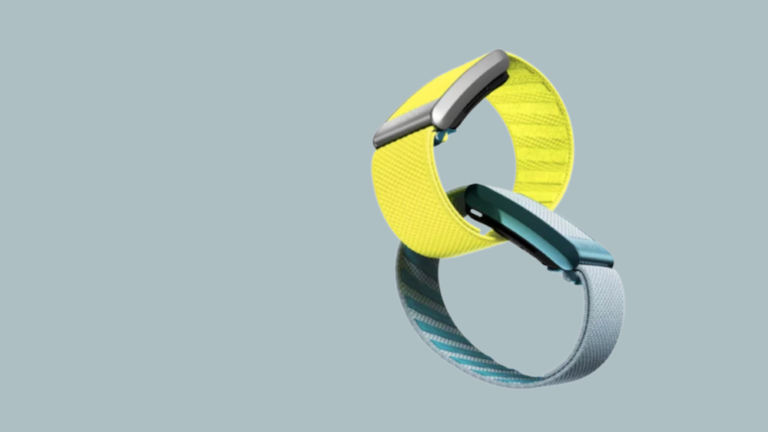



Health tracking technologies have evolved significantly over the past decade, moving from manual data entry to passive, continuous monitoring. While steps, heart rate, and even sleep are now easily tracked through wearable devices, hormone monitoring - a crucial aspect of health assessment - has remained largely unchanged, relying on periodic blood tests or daily manual measurements.
However, this is about to change as several startups are developing technologies for continuous hormone monitoring (CHM).
The need for passive monitoring solutions became particularly clear to me during a conversation at an industry event in February. A femtech founder, accompanied by her teenage daughter, shared her search for the right period tracking solution with me. She wanted something based on basal temperature monitoring, eventually choosing Tempdrop - a wearable sleeve that passively measures temperature while you sleep. When she turned to her daughter and asked, "Do you think you'd use a thermometer every day?" her daughter's immediate head shake confirmed what many of us in healthtech already know: active tracking is a significant barrier to consistent health monitoring.
This interaction reflected my own experience with health tracking technologies. Despite regularly testing and using various femtech products, I struggled with consistent manual tracking, particularly with traditional basal temperature measurement methods. It wasn't until I got an Oura ring, initially for menstrual cycle tracking, that I found a solution that worked for me. The passive nature of the device - requiring minimal active engagement while collecting continuous data - made a significant difference in my ability to maintain consistent tracking.
The value of continuous monitoring became even more apparent through my experience with continuous glucose monitors (CGMs). These devices have helped me adjust my eating patterns through real-time feedback. The continuous nature of the data, showing how different foods and behaviors affect glucose levels throughout the day, leads to meaningful behavioral changes. Controlling glucose spikes, for instance, has noticeably increased my energy levels.
The recent acquisition of Veri, a CGM company, by Oura highlights the potential for creating more comprehensive health monitoring ecosystems. This move signals a broader trend toward integrated health monitoring solutions, and raises an interesting question: Could continuous hormone monitoring be the next frontier?
Emerging Technologies and Approaches
Several startups are now tackling the challenge of continuous hormone monitoring, each with unique technical approaches:
Level Zero Health, presenting at TechCrunch Disrupt, is developing a device that adapts FDA-approved CGM-style needles for hormone monitoring. Their technology uses aptamers - single-stranded DNA molecules that bind to specific hormones - to enable continuous monitoring of progesterone, estrogen, cortisol, and testosterone. The company is initially focusing on IVF treatments and low testosterone, markets they estimate at $30 billion combined.
Persperity Health, a recent Caltech spin-out that raised $1 million in pre-seed funding, is taking a different approach with sweat-based hormone monitoring. Their technology enables real-time tracking of hormones including estradiol, progesterone, and luteinizing hormone through non-invasive sweat analysis, potentially offering a more user-friendly solution.
Market Potential and Technical Challenges
I think that the continuous hormone monitoring space represents a significant market opportunity, extending far beyond reproductive health.
While fertility and menstrual cycle tracking are obvious initial applications, continuous hormone monitoring could revolutionize the management of conditions like PCOS, thyroid disorders, and stress-related health issues. The ability to track cortisol levels continuously, for instance, could provide unprecedented insights into stress management and its impact on overall health.
However, significant technical challenges remain. Hormone measurement is considerably more complex than glucose monitoring. Hormones exist in much lower concentrations in the body, and their molecular structure makes them more difficult to detect reliably. Additionally, the relationship between interstitial fluid or sweat hormone levels and blood hormone levels needs to be thoroughly validated for each hormone being measured.
Scientific Validation and Regulatory Considerations
For continuous hormone monitoring devices to gain widespread adoption, particularly in clinical settings, companies will need to demonstrate not only the accuracy of their measurements compared to traditional blood tests but also the clinical utility of continuous monitoring. This includes proving that the additional data points provide meaningful insights that can improve patient outcomes.
The regulatory pathway for these devices will likely vary depending on their intended use. Devices targeting fertility treatment or hormone replacement therapy monitoring may face more stringent requirements than those marketed for general wellness tracking. Companies in this space will need to carefully balance their go-to-market strategies with regulatory requirements.
Investment Landscape
From an investment perspective, continuous hormone monitoring represents a compelling opportunity. The success of CGM companies and all kinds of trackers overall demonstrates the potential market for continuous monitoring devices. However, we should also consider several factors:
- Technical Risk: Many of these companies are developing novel sensor technologies that haven't been proven at scale
- Regulatory Timeline: The path to market may be a long one.
- Market Education: Significant resources may be needed to educate both healthcare providers and consumers about the benefits of continuous hormone monitoring
Looking ahead, continuous hormone monitoring could enable numerous applications beyond current use cases. These might include:
- Personalized medication management for hormone replacement therapy
- Early detection of hormonal imbalances
- Optimization of athletic performance through hormone tracking
- Mental health monitoring through stress hormone tracking
- Age-related hormone decline management
I think that the integration of continuous hormone data with other health metrics could provide a more complete picture of individual health, enabling truly personalized medicine. The recent Oura-Veri acquisition hints at this future, where different biomarkers can be monitored and analyzed together to provide more comprehensive health insights.
So with all of this being said: Our assessment is that the continuous hormone monitoring space is definitely one to watch, and one that we will likely be hearing more about in the months and years to come.