


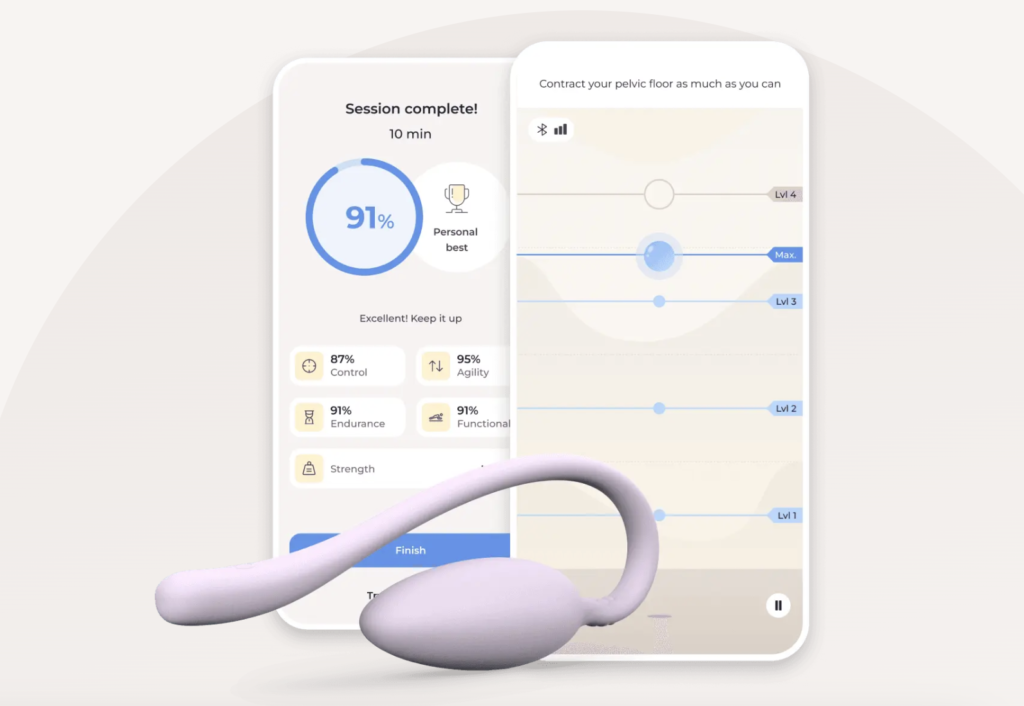
Sword Health is expanding its Bloom product from a pelvic health solution into a comprehensive women’s health platform covering fertility, pregnancy, postpartum, menopause, and persistent pelvic symptoms – positioning it as a single-vendor alternative to the stack of point solutions most employers currently cobble together.
The expansion launches with a new menopause program that goes beyond symptom management. Rather than treating hot flashes or bladder leaks in isolation, Bloom uses what Sword calls “clinical memory” – retaining a member’s historical health context across life stages so care plans adapt over time rather than resetting with each new condition. When clinically appropriate, the platform will coordinate hormone therapy directly within the solution.
“Women do not experience health as a set of disconnected conditions. They experience it as life stages, with needs that overlap, evolve, and compound,” said Sword Health founder and CEO Virgilio Bento.
The platform combines an AI care specialist (called Phoenix) with human women’s health specialists in a conversational model that provides 24/7 support, integrating movement, pelvic, mental health, nutrition, and hormonal care. Device and behavioral signals – cycle data, sleep, stress, and activity – feed into care delivery for proactive intervention.
The enterprise pitch is straightforward: Bloom already reaches 7.5 million people through more than 500 enterprise clients and has supported over 150,000 women. A third-party validated claims analysis found the platform delivers $2,276 in annual healthcare savings per member and a 2.9x gross ROI. Sword serves 20% of the Fortune 500 and says it has helped clients avoid over $1 billion in unnecessary healthcare costs across its full product suite.
Bloom’s pricing model is outcome-based – 50% is due after onboarding, with the remaining 50% tied to measurable clinical outcomes. It’s a structure designed to de-risk the sale for HR and benefits leaders while reinforcing the platform’s confidence in its own efficacy data.
The strategic logic is clear: by covering the full female lifespan under one contract, Sword makes it significantly harder for employers to justify maintaining separate fertility, postpartum, and menopause vendors. Whether that integrated model delivers on its promise across every life stage – particularly in areas like fertility and hormone therapy where clinical depth matters – will be what the market watches next.