


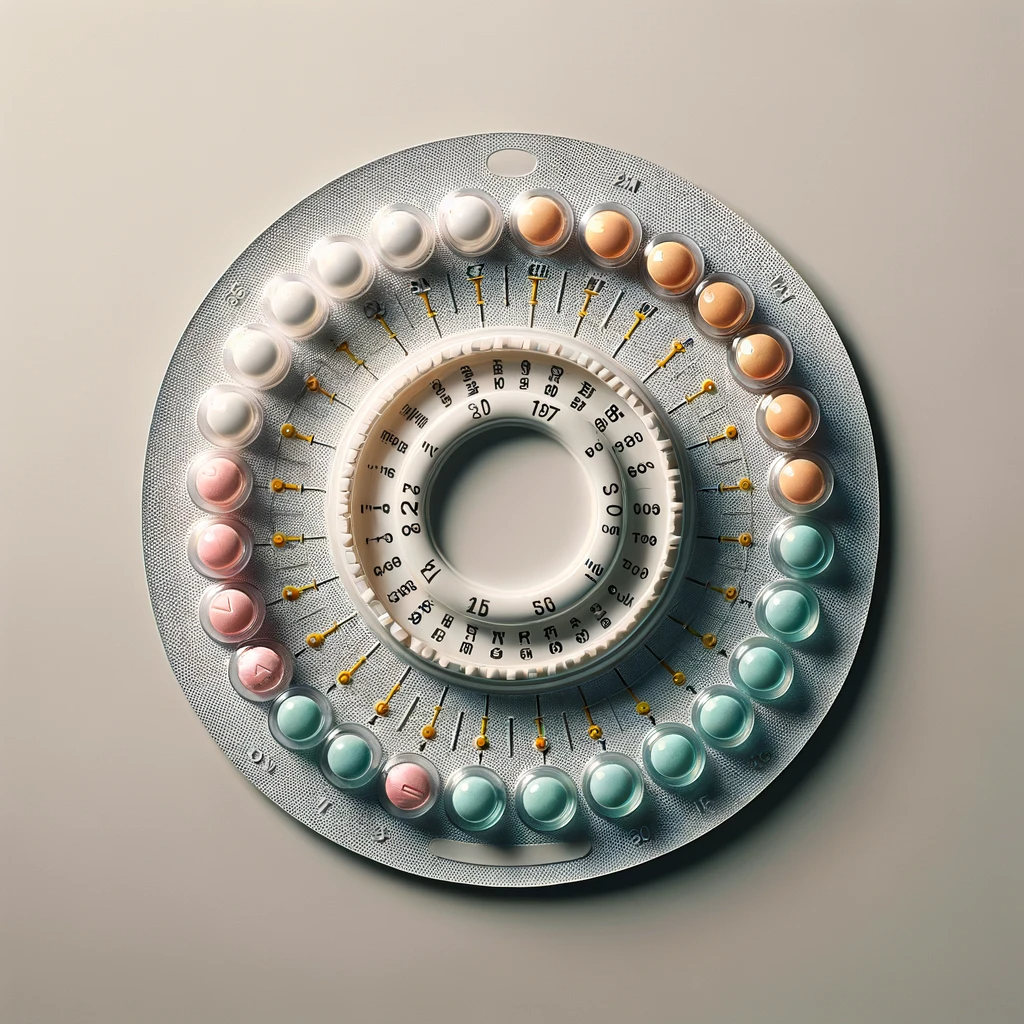
The birth control pill, commonly known as "the pill," is a hormonal contraceptive used by millions of women worldwide to prevent pregnancy. It is taken orally once a day and is considered to be a highly effective method of birth control when used correctly. However, missing a pill or taking it at the wrong time can significantly decrease its effectiveness and increase the chances of unintended pregnancy. In this article, we will discuss what happens if you miss a pill and how soon you can ovulate after missing the pill.
What Is the Pill?
The pill is a hormonal contraceptive that contains synthetic forms of the hormones estrogen and progestin. It works by suppressing ovulation, thickening cervical mucus, and thinning the uterine lining, making it harder for sperm to reach and fertilize an egg.
How Does the Pill Work?
The pill works by preventing ovulation, the release of an egg from the ovary. It also thickens the cervical mucus, making it difficult for sperm to enter the uterus, and thins the uterine lining, making it difficult for a fertilized egg to implant.
What Are the Different Types of Pills?
There are two main types of pills: combination pills and progestin-only pills.
- Combination Pills: These contain both estrogen and progestin hormones and are the most commonly used type of birth control pill.
- Progestin-Only Pills: These only contain progestin and are often recommended for women who cannot use estrogen-based birth control methods.
- Missing One Combination Pill: If you miss one combination pill, take it as soon as you remember. If you have taken your previous pill correctly, you will still be protected against pregnancy.
- Missing Multiple Combination Pills: If you miss multiple combination pills, it is important to use backup contraception and follow the instructions on the package.
- Missing One Progestin-Only Pill: If you miss one progestin-only pill, take it as soon as you remember. However, if you have missed multiple pills, use backup contraception and follow the instructions on the package.
- Missing Multiple Progestin-Only Pills: If you miss multiple progestin-only pills, use backup contraception and follow the instructions on the package to ensure effectiveness.
- Combination Pills: Ovulation can occur within 1-3 days of missing a combination pill.
- Progestin-Only Pills: Ovulation can occur within 2-3 days of missing a progestin-only pill.
- Pregnancy: The main risk of missing the pill is unintended pregnancy, especially if multiple pills are missed.
- Irregular Bleeding: Missing a pill can cause irregular bleeding or spotting, as the hormonal balance is disrupted.
- Decreased Effectiveness: Missing a pill or taking it at the wrong time can decrease the effectiveness of the pill in preventing pregnancy.
-
- Take the Missed Pill as Soon as Possible: If you miss a pill, take it as soon as you remember and continue taking the rest of the pills at the usual time.
- Use Backup Contraception: It is recommended
- Missing a combination pill can increase the risk of ovulation within 24 hours, but may vary based on the type of pill missed.
- Progestin-only pills have a shorter window for missed pills, with ovulation potentially occurring within 3 hours of a missed pill.
- If you miss a pill, take it as soon as possible and use backup contraception to reduce the risk of pregnancy. Always follow the instructions on the package for missed pills.
What Is the Pill?
The pill, also known as oral contraceptive pills, is a widely used method of birth control that is taken orally to prevent pregnancy. It is a combination of synthetic hormones, typically estrogen and progestin, that work together to prevent ovulation, thicken cervical mucus, and alter the lining of the uterus. These actions effectively prevent sperm from reaching the egg and make it difficult for a fertilized egg to implant in the uterus. When taken correctly, the pill is highly effective with a failure rate of less than 1%. To ensure its effectiveness, it is important to take the pill at the same time every day. However, it is important to note that the pill does not protect against sexually transmitted infections (STIs). Therefore, it is recommended to use condoms in addition to the pill for STI protection. The pill is only available with a prescription and should be taken under the guidance of a healthcare professional. It is crucial to discuss any concerns or questions about the pill with a healthcare provider to determine if it is the right choice for you.How Does the Pill Work?
The pill, also known as oral contraceptives, is a popular form of birth control used by millions of women worldwide. But what is the mechanism behind its effectiveness? Here are the steps involved:-
-
- The pill contains synthetic versions of the hormones estrogen and progesterone.
- When taken daily, these hormones prevent the release of an egg from the ovaries.
- They also thicken the cervical mucus, making it difficult for sperm to reach the egg.
- The hormones also thin the lining of the uterus, making it less receptive to implantation.
-
What Are the Different Types of Pills?
There are various types of birth control pills available on the market, each with its own unique combination of hormones and functions. In this section, we will discuss the different types of pills, including combination pills and progestin-only pills. By understanding the differences between these two types, we can better understand how each one may affect ovulation and the menstrual cycle. Let's dive into the world of birth control pills and their effects on ovulation.1. Combination Pills
Combination pills are a popular form of contraception that contain both estrogen and progestin hormones. When taken correctly, they are highly effective in preventing pregnancy. Here are the steps to follow when taking combination pills:-
-
- Choose a specific time each day to take the combination pill. This will help establish a routine and reduce the chances of forgetting.
- Take one combination pill every day, at the same time, without skipping days.
- If you miss a combination pill, take it as soon as you remember, even if it means taking two pills in one day.
- If you miss more than one combination pill, refer to the instructions provided with your pill pack or consult your healthcare provider.
- Continue taking the remaining combination pills in the pack as scheduled.
- Use a backup method of contraception (such as condoms) if you have missed combination pills and have had unprotected sex.
- If you are uncertain about what to do, consult your healthcare provider or refer to the instructions provided with your pill pack.
-
2. Progestin-Only Pills
Progestin-only pills, also known as mini-pills, are a type of birth control pill that contains only progestin hormone and no estrogen. These pills work by thickening the cervical mucus, making it difficult for sperm to reach the egg. They also thin the lining of the uterus, making it less receptive to implantation. If you happen to miss a progestin-only pill, here are the steps to follow:-
-
- Take the missed pill as soon as you remember, even if it means taking two pills in one day.
- Use backup contraception, such as condoms, for the next 48 hours.
- Follow the instructions on the package regarding missed pills.
-
What Happens If You Miss a Pill?
Missing a birth control pill can be a cause for concern, as it may affect the efficacy of the medication. But what exactly happens when you miss a pill? In this section, we’ll discuss the different scenarios of missing combination pills and progestin-only pills, and the potential consequences. Whether it’s just one missed pill or multiple, we’ll break down the effects and what you should do in each situation.1. Missing One Combination Pill
When you miss one combination pill, it is important to follow these steps:-
-
- Take the missed pill as soon as possible, even if it means taking two pills in one day.
- Continue taking the rest of the pills at your regular time, even if it means taking two pills in one day.
- Use a backup contraception method, such as condoms, for the next seven days.
- If you had unprotected sex in the past five days, consider emergency contraception.
- Consult your healthcare provider if you're unsure about what to do or if you have any concerns.
-
2. Missing Multiple Combination Pills
If you miss taking multiple combination pills, it is important to take immediate action to reduce the risk of pregnancy. Here are the steps you should follow:-
-
- Take the missed pill as soon as you remember, even if it means taking two pills in one day.
- Continue taking the remaining pills at the usual time, even if it means taking two pills on the same day.
- Use backup contraception, such as condoms, for the next seven days.
- If you had unprotected sex during the time you missed the pills, consider emergency contraception.
- Consult your healthcare provider for further guidance and advice.
-
3. Missing One Progestin-Only Pill
If you happen to miss taking one progestin-only pill, follow these steps to minimize the risk of pregnancy and maintain the effectiveness of the contraceptive:-
-
- Take the missed pill as soon as you remember, even if it means taking two pills in one day.
- Use a backup form of contraception, such as condoms, for the next 48 hours.
- Continue taking the remaining pills in the pack as scheduled, even if it means taking two pills in one day.
- Refer to the instructions provided with your pill pack for further guidance on what to do in case of a missed pill.
-
4. Missing Multiple Progestin-Only Pills
-
-
- If you happen to miss multiple progestin-only pills, it is important to take immediate action.
- Step 1: Take the missed pill as soon as you remember, even if it means taking two pills in one day.
- Step 2: Use backup contraception, such as condoms, for the next 48 hours to ensure protection against pregnancy.
- Step 3: Continue taking the remaining pills as scheduled, even if it means taking more than one pill per day.
-
How Soon Do You Ovulate After Missing the Pill?
When it comes to birth control pills, missing a dose can have different effects depending on the type of pill you are taking. For combination pills, which contain both estrogen and progestin, missing one pill can increase the risk of ovulation and potential pregnancy. On the other hand, progestin-only pills have a smaller window in which they must be taken each day to be effective. In this section, we will discuss the specific time frames for ovulation after missing a pill for both combination and progestin-only pills.1. Combination Pills
Combination pills are a type of oral contraceptive that contains both estrogen and progestin hormones. Here are the steps to follow when taking combination pills:-
-
- Start by taking one pill every day, preferably at the same time to establish a routine.
- If you are starting a new pack, take the first pill on the first day of your period or on the first Sunday after your period starts.
- Continue taking one pill daily for 21 days.
- After finishing the 21 pills, take no pills for 7 days, during which you will likely have your period.
- Start a new pack on the 8th day, regardless of whether you are still bleeding or not.
- Be consistent with taking the pills to maintain their effectiveness.
- If you miss a pill, take it as soon as you remember, even if it means taking two pills in a day.
- Use backup contraception for the next 7 days if you miss more than one pill consecutively.
- Consult the package instructions or your healthcare provider for further guidance.
-
2. Progestin-Only Pills
Progestin-only pills, also known as mini-pills, are a form of birth control that contain only progestin hormone. Here are the steps to consider when using these pills:-
-
- Start by selecting a progestin-only pill brand that meets your specific health needs.
- Take one pill at the same time every day, without any breaks, even during your period.
- Avoid delaying or missing a pill, as it can decrease the effectiveness of the contraceptive.
- If you miss a progestin-only pill, take it as soon as you remember, even if it means taking two pills in one day.
- Use backup contraception, such as condoms, for the next 48 hours if you miss a pill by more than three hours.
- Refer to the instructions in the package or consult a healthcare provider for specific guidance on missed progestin-only pills.
- Understand that the risk of pregnancy increases if you miss or inconsistently take progestin-only pills.
-
What Are the Risks of Missing the Pill?
Missing a birth control pill can have serious consequences, including unintended pregnancy and changes in your menstrual cycle. In this section, we will discuss the potential risks of missing the pill and how they can impact your reproductive health. From the possibility of becoming pregnant to experiencing irregular bleeding, understanding the potential consequences can help you make informed decisions about your birth control routine. Additionally, we will also explore the decreased effectiveness of the pill when not taken as directed and the potential for breakthrough ovulation.1. Pregnancy
When discussing pregnancy and missed birth control pills, there are a few important factors to keep in mind:-
-
- Firstly, if you miss one combination pill, the chances of becoming pregnant are low. However, it is crucial to take the missed pill as soon as possible and use backup contraception.
- If you miss multiple combination pills, the risk of pregnancy increases, and it is recommended to use backup contraception until you have taken seven consecutive active pills.
- On the other hand, if you miss one progestin-only pill, the likelihood of pregnancy is also low, but it is important to take the missed pill as soon as possible.
- If you miss multiple progestin-only pills, the risk of pregnancy increases, and it is advised to use backup contraception until you have taken two consecutive pills.
-
2. Irregular Bleeding
When it comes to taking the pill, experiencing irregular bleeding is a common side effect. If you are experiencing this, here are some steps you can take:-
-
- Continue taking the pill as prescribed: It is important to continue taking the pill as directed, even if you are experiencing irregular bleeding. This will help maintain the effectiveness of the contraceptive.
- Monitor the bleeding: Keep track of the frequency and duration of the irregular bleeding. This information can be helpful when discussing the issue with your healthcare provider.
- Consider changing pill types: If the irregular bleeding persists or becomes bothersome, talk to your healthcare provider about switching to a different type of pill. Different formulations may have different effects on your menstrual cycle.
- Rule out other causes: Irregular bleeding can also be caused by other factors, such as hormonal imbalances or underlying health conditions. Your healthcare provider can help determine if there are any other factors contributing to the irregular bleeding.
- Seek medical advice: If the irregular bleeding is accompanied by severe pain, prolonged bleeding, or other concerning symptoms, seek medical advice promptly. Your healthcare provider can provide further guidance and support.
-
3. Decreased Effectiveness
When a birth control pill is missed, one of the risks is a decrease in its effectiveness. This means that the pill may not be as reliable in preventing pregnancy. To reduce this risk, here are some steps to follow:-
-
- Take the missed pill as soon as possible. If you realize you have missed a pill, take it as soon as you remember. This helps to maintain the effectiveness of the pill.
- Use backup contraception. Along with taking the missed pill, it is recommended to use backup contraception, such as condoms, for at least the next seven days.
- Follow the instructions on the package. Each type of pill may have specific guidelines for missed pills. Be sure to consult the package insert or speak with a healthcare provider for guidance based on the specific pill being taken.
-
What Should You Do If You Miss a Pill?
Missing a birth control pill can be a cause for concern for many individuals. In this section, we will discuss the steps you should take if you accidentally miss a pill. Firstly, we will cover the importance of taking the missed pill as soon as possible to ensure effectiveness. Next, we will explore the option of using backup contraception to minimize the risk of pregnancy. Lastly, we will review the instructions on your specific pill package and how to proceed after a missed dose. By following these guidelines, you can feel confident in managing any mishaps with your birth control regimen.1. Take the Missed Pill as Soon as Possible
When you miss a birth control pill, it's important to take the missed pill as soon as possible to ensure the contraceptive remains effective. Here are the steps to follow if you miss a pill:-
-
- Check the package instructions: Different pill brands may have specific instructions for missed pills. Refer to the package insert or consult your healthcare provider for guidance.
- Take the missed pill immediately: If you realize you missed a pill, take it as soon as you remember, even if it means taking two pills in one day. This helps to maintain hormone levels and prevent ovulation.
- Continue taking the remaining pills: Continue taking the rest of the pills in the pack as scheduled, even if it means taking two pills on the same day.
- Use backup contraception: If you had sex in the past few days and missed a pill, consider using backup contraception, such as condoms, for the next seven days to ensure protection against pregnancy.
- Seek medical advice: If you miss multiple pills or are unsure about what to do, consult your healthcare provider for further guidance.
-
2. Use Backup Contraception
When you miss a pill, it's important to use backup contraception to prevent unintended pregnancy. Here are some steps to follow:-
-
- Take the missed pill as soon as possible, even if it means taking two pills in one day.
- Use a backup method of contraception, such as condoms, for the next seven days.
- Follow the instructions on the package for further guidance on what to do if you miss a pill.
-
3. Follow the Instructions on the Package
When it comes to missing a birth control pill, it's crucial to follow the instructions on the package to ensure its effectiveness. To do so, follow these steps:-
-
- Take the missed pill as soon as possible, even if it means taking two pills in one day.
- Use backup contraception, such as condoms, for the next seven days to prevent pregnancy.
- Continue taking the remaining pills in the pack at the usual time, even if it means taking more than one pill in a day.
-