


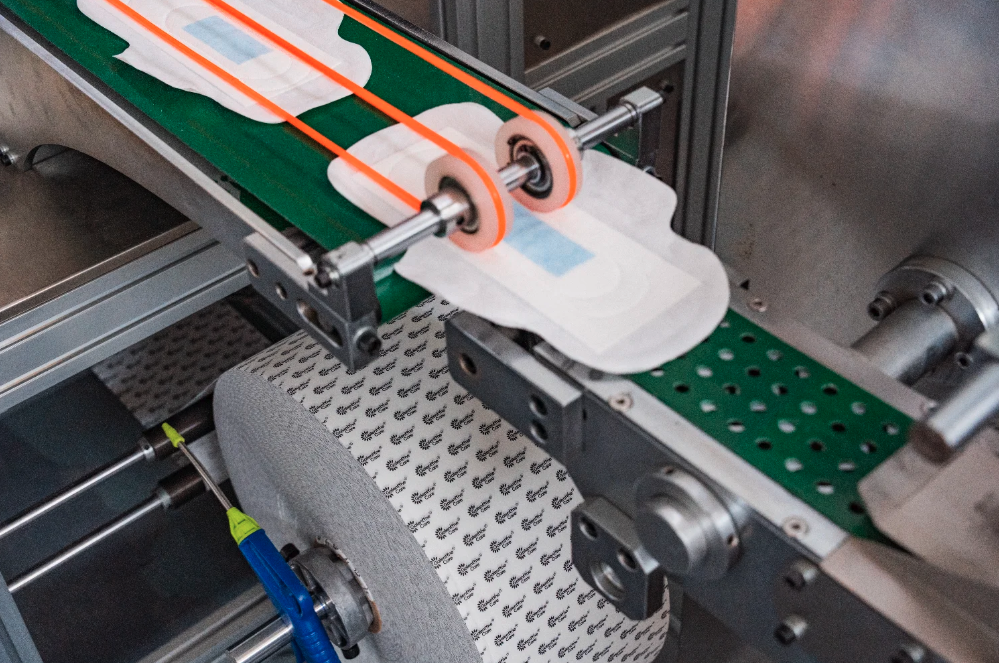
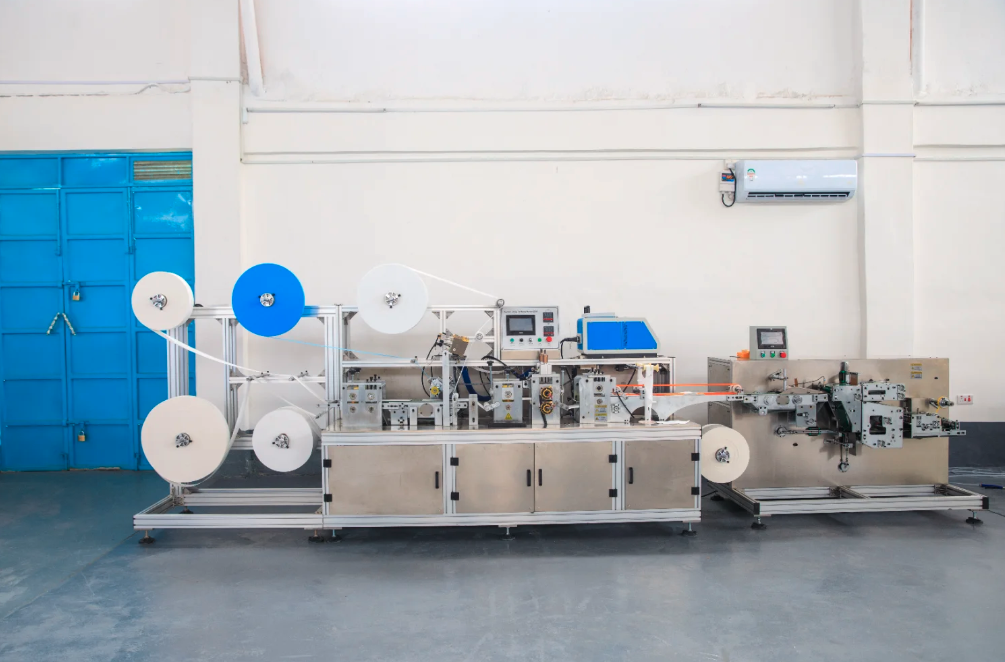
GalCare, a social enterprise co-founded by actress and activist Stephanie March, has launched with the opening of a fully automated sanitary pad factory in Mbita, Kenya. The model is designed to reach 500,000 women over the next three years, create hundreds of jobs, and become self-sustaining – positioning it as a business solution to period poverty rather than a charity-dependent one.
The company locally manufactures sanitary pads and employs women from the community – called ChangeMakers – who also serve as community health leaders providing education on sexual, reproductive, and menstrual health. The ChangeMakers started with a 600-square-foot microplant where they produced more than half a million pads for school donation and community use, reaching over 100,000 women and girls through health outreach.
The new factory represents a significant scale-up. GalCare expects to reach over 200,000 underserved women in the marketplace within one year, operating at just 50% capacity. Every pack of pads sold funds training, employment, and free pads for schoolgirls.
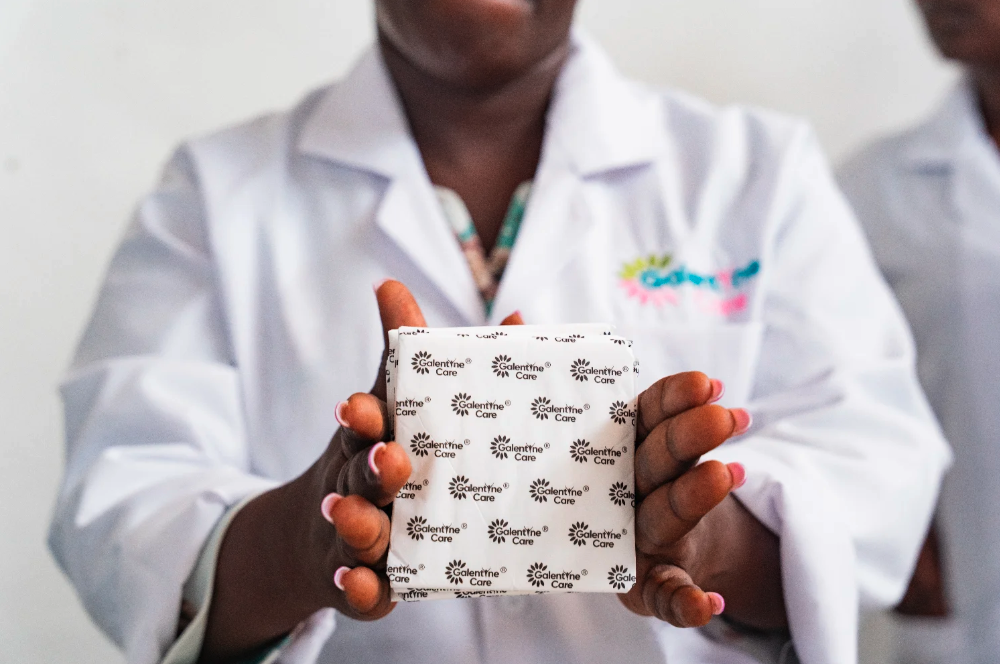
“GalCare is so much more than manufacturing,” said March. “We are creating jobs, building skills, reducing stigma, and proving that women’s health solutions can be both profitable and transformative.”
The model operates as a 501(c)(3) in the U.S. during the fundraising phase, with the factory designed to transition to a for-profit social enterprise within three years, fully operated by the ChangeMakers. Beyond manufacturing, GalCare provides workforce development in marketing, quality control, production, sales, distribution, accounting, and entrepreneurship.
“Since joining the organization, I’ve been trained, mentored, and now earn income while helping other young women in my community,” said Diana Achieng, one of the founding ChangeMakers. “Today, I’m no longer a recipient of change. I am a change-maker.”
GalCare was co-founded by March alongside Tracy McCubbin (founder and CEO of dClutterfly) and Africa public health expert Peter McOdida. Period poverty affects more than 500 million women and girls globally, and GalCare’s ambition is to replicate the factory model first across Kenya and Eastern Africa and eventually worldwide.