
"Do you know Mr. Beast?"
It wasn't exactly the question I expected on stage at the recent Future of Health Summit organized by The Milken Institute. But there it was.
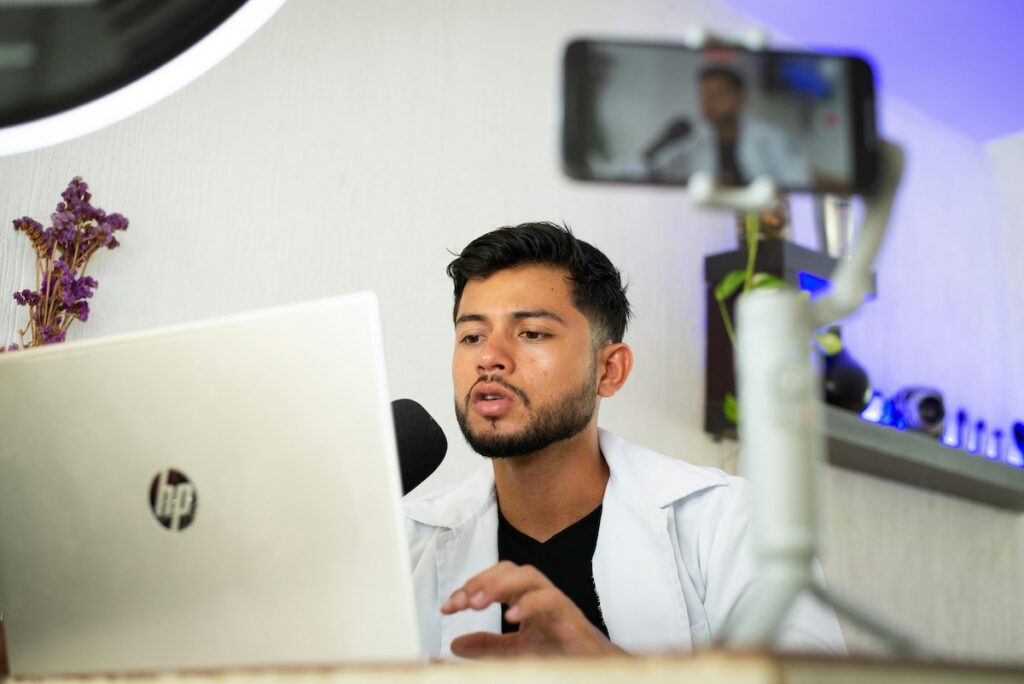
For the longest time, clinicians, public health professionals, and policy makers turned up their noses when it came to social media. The attitude was clear: Serious health information belongs in journals and clinical settings, not sandwiched between dance videos. But slowly, that's changing - largely because they're recognizing that journals and even specialized media have a very limited reach within the same circles, while millions flock to social media and user-generated content for health information.
The sentiment has shifted from "social media is bad" to something more like "social media is scary, but if we want to stay relevant, we need to move where the conversation happens."
The Platform Play That Didn't Work
Back in January, I wrote about a wave of startups taking a different approach to this problem. Instead of fighting social media algorithms, they were building dedicated spaces where medical expertise meets modern content consumption habits - essentially unbundling women's health content from the major platforms.
Femble was pivoting from period tracking to helping doctors become trusted health influencers for their own patients. FeelBetr, founded by Dr. Erin Nance after building a TikTok following, was matching health content based on interests rather than virality. And Rosy had created "Quickies" - bite-sized videos from healthcare professionals in a safe space specifically designed for health information.
I was intrigued by all of them.
This week, Rosy announced it's closing after seven years. In her announcement, founder Dr. Lyndsey Harper wrote about the mission to "erase sexual shame and isolation for women" - creating thousands of hours of evidence-based content, training hundreds of healthcare providers, and building community around a topic that desperately needed it. The work mattered. The business didn't survive.
Femble has since rebranded to Doc2Me and pivoted to B2B - now selling AI-powered video creation tools to clinics rather than building a consumer platform. FeelBettr is still around. FeelBettr are still around.
Building any new social platform is hard enough - add healthcare to the mix, and you've got a real mountain to climb.
Meanwhile, the Mainstream Caught Up
Here's what's interesting: While startups were trying to build alternatives, the platforms themselves started adapting.
YouTube launched health shelves back in 2021, surfacing content from credible sources at the top of health-related searches. They've since expanded the program to individual licensed healthcare professionals - not just institutions - and rolled it out across multiple markets. They're actively running programs to help clinicians become content creators. (We ran a webinar with YouTube Health on this back in 2023, when they were just kicking off their creator education series.)
More broadly, there's been a noticeable shift in the creator economy from "influencer" to "knowledge creator." The doctors and nurses and therapists showing up on TikTok and YouTube aren't trying to be celebrities - they're trying to be educators who happen to understand the medium.
The Leapfrog
Looking back at what I wrote in January, I think I underestimated how quickly the establishment would come around. The industry seems to have leapfrogged the "build our own platform" phase entirely and gone straight to "okay fine, we'll do TikTok."
That's not necessarily a bad thing. The reach is there. The tools are improving. And frankly, asking people to download yet another app for health content was always going to be a tough sell when they're already spending 70 minutes a day on YouTube.
But it does mean we're back to fighting algorithms - just with better credentials and more institutional support behind us.
The Mr. Beast question, absurd as it felt in the moment, actually gets at something real: If we want health information to compete, we might need to learn something from the people who've figured out how to reach millions. Not the clickbait. Not the stunts. But the craft of meeting people where they are and holding their attention long enough to actually help.