

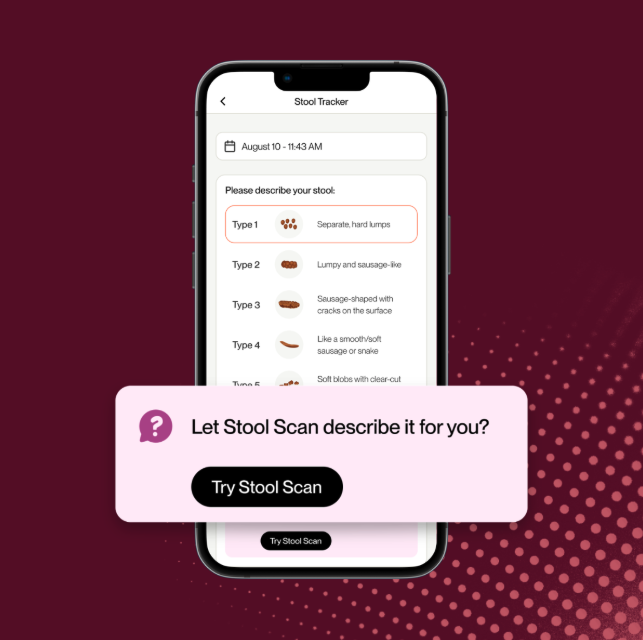
Cylinder Health, a virtual digestive health provider, has launched Stool Scan – an image recognition feature that converts smartphone photos into clinician-ready stool assessments, replacing the subjective self-reporting that has historically made stool data unreliable in routine care. The technology is trained on more than 500,000 images including expert-annotated clinical samples.
The feature is integrated into Cylinder’s existing care platform at no additional cost to members and captures multiple visual features simultaneously, tracked longitudinally alongside symptom and food data. All images are patient-controlled and point-in-time – nothing is passively collected.
“Stool patterns are one of the most important early signals we have, but they are also some of the hardest data to use consistently,” said Dr. Amit Ahuja, head of gastroenterology at Cylinder Health. “Having access to a large, well-structured repository of stool images and associated clinical data allows us to recognize meaningful patterns earlier, triage more appropriately, and intervene before symptoms escalate into flares or emergency care.”
While the product isn’t women’s health-specific, digestive conditions disproportionately affect women – IBS is roughly twice as common in women as in men, and GI symptoms frequently shift with hormonal fluctuations across the menstrual cycle. Better standardized GI data could also help differentiate digestive symptoms from conditions like endometriosis, where bowel-related complaints are a common misdiagnosis pathway.
Cylinder has served over 145,000 people nationwide and reports up to 5:1 ROI for employer clients. The underlying stool imaging technology came through Cylinder’s acquisition of Dieta Health last year.