


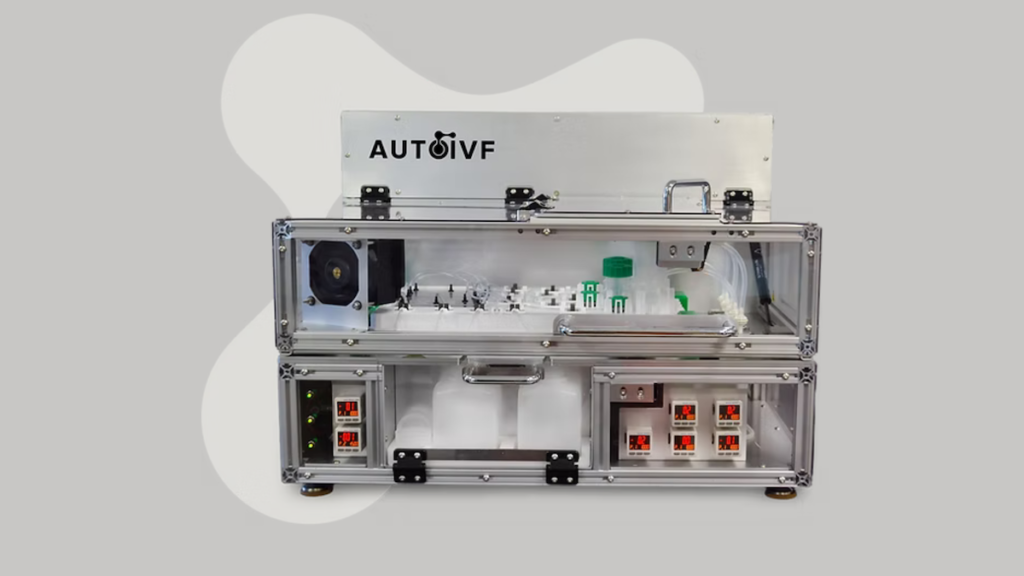
AutoIVF has published a peer-reviewed study in Nature Medicine showing that functional oocytes are unintentionally missed during manual screening in more than 50% of IVF cases. The study evaluated the company’s OvaReady technology, an automated microfluidic system that recovers additional eggs from follicular fluid after standard clinical screening.
The study analyzed follicular fluid samples from 582 patients across four accredited IVF clinics. Additional oocytes were recovered in 54.3% of patients from fluid that had already undergone standard manual screening by embryologists. Of the recovered oocytes, 50.3% were classified as mature at the time of assessment.
In a pilot clinical evaluation, oocytes recovered using the automated system demonstrated fertilization and embryo development metrics comparable to conventionally recovered oocytes. The company also reported a live birth from an oocyte recovered by the OvaReady system from follicular fluid that had been designated for disposal.
“The Nature Medicine publication provides clinical data that quantifies a previously under-recognized source of oocyte loss during IVF treatment,” said Dr. Ravi Kapur, co-founder and CEO of AutoIVF. “Our focus has been to generate rigorous, peer-reviewed evidence to inform how automation may improve consistency and completeness in egg recovery, while working closely with clinicians and regulators.”
The publication addresses the reliance on manual visual screening to identify oocytes in follicular fluid, a process that has remained largely unchanged for decades despite advances in other areas of IVF laboratory practice.
“These data suggest that automated recovery may help address previously unknown limitations in manual egg identification,” said Dr. Denny Sakkas, co-founder and scientific advisor to AutoIVF. “For certain patient populations, particularly those with low egg yields, the recovery of additional oocytes may be clinically relevant.”
AutoIVF is based in the U.S. and was developed with support from the National Institute of Child Health and Human Development.