

NHS Greater Glasgow and Clyde has become the first health board in the UK to integrate a miscarriage collection cradle across multiple hospital sites, offering women a way to manage pregnancy loss at home with greater dignity and practical support.
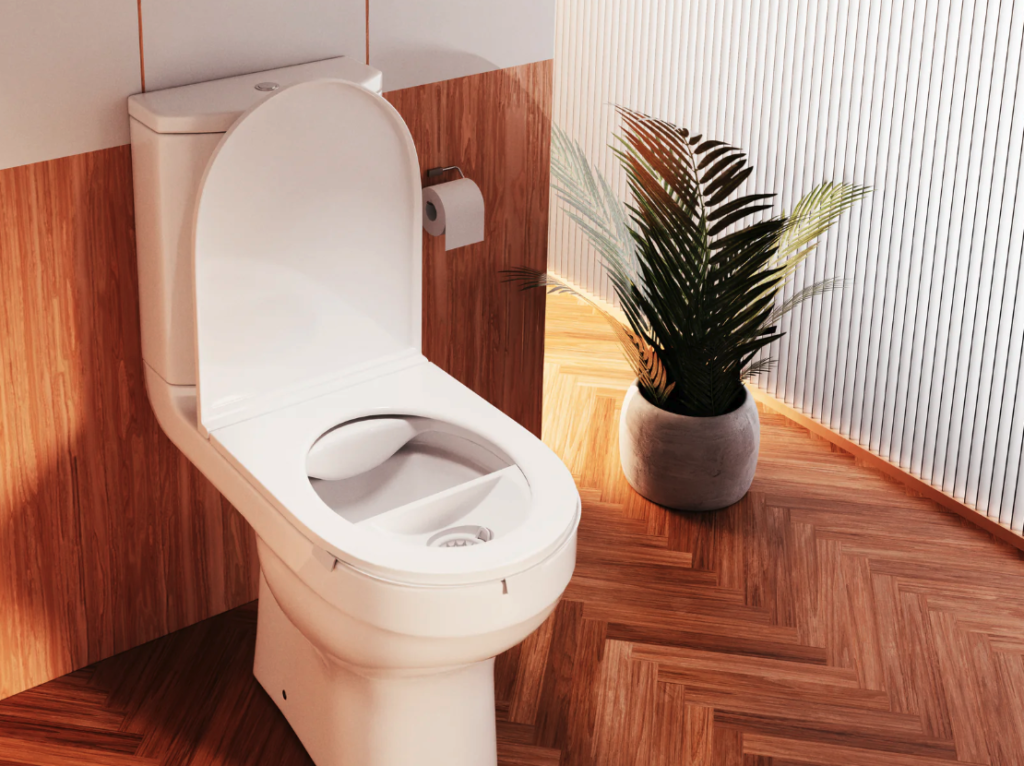
The device, created by Dignity Care Network and designed by engineer Laura Corcoran after her own experience of miscarriage, sits beneath a toilet seat and enables the respectful collection of pregnancy tissue at home. It provides an alternative to surgery and helps preserve tissue for genetic testing that could offer insights into the cause of miscarriage - potentially reducing the need for surgical intervention while improving the quality of diagnostic samples.
Corcoran developed the cradle after being sent home to miscarry with no tools or guidance for managing the process. As reported by BBC Scotland, she and her husband - both engineers - were left improvising with household items. That experience drove her to prototype a purpose-built device using 3D printing, which was then refined through patient and clinical feedback.
Three hospitals - the Royal Alexandra Hospital in Paisley, Queen Elizabeth University Hospital, and Princess Royal Maternity in Glasgow - will offer the device to women where clinically appropriate. The rollout is supported by £1.5 million in Scottish Government funding dedicated to compassionate miscarriage services as part of the new Scottish Miscarriage Framework.
The numbers behind the initiative are striking. Scotland sees an estimated 25,000 miscarriages per year. Research shows one in three women experiencing pregnancy loss attend A&E, yet one in five are turned away without treatment. An independent health economic report suggests the cradle could save the NHS between £6.7 million and £11.2 million annually, free up an estimated 7,300 to 12,000 surgery slots, and reduce emergency department visits.
Dignity Care is also working with NHS laboratories to assess whether the cradle improves the quality of genetic samples collected compared with surgical methods - which, if validated, could expand access to testing without invasive procedures.
Miscarriage care has historically been one of the most neglected areas of women's health, with women routinely sent home to manage the physical and emotional process alone. The fact that a purpose-built device for something this common is only now being introduced in NHS hospitals says a great deal about how long this gap has persisted.