


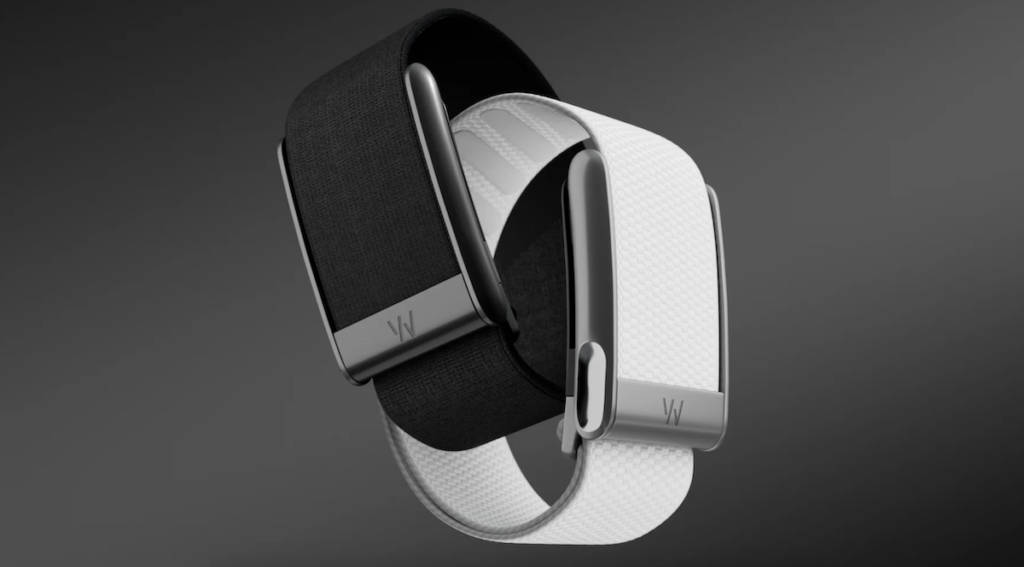
WHOOP is deepening its investment in women’s health with the announcement of a specialized blood biomarker panel for women, an expanded hormonal symptom prediction feature, and a white paper on its menstrual cycle modeling methodology.
The Women’s Health Specialized Panel, launching in April in the U.S., adds 11 female-specific blood biomarkers to WHOOP’s existing Advanced Labs offering, covering areas the company says are frequently under-measured in traditional testing. The panel includes anti-Mullerian hormone (AMH), progesterone, prolactin, thyroid peroxidase antibodies, free T4, free T3, leptin, vitamin B12, folate, magnesium, and phosphate – spanning cycle regulation, hormonal transitions including perimenopause, thyroid function, nutrient sufficiency, and bone-metabolic health.
What makes this more than a standalone lab test: WHOOP layers the blood biomarker data on top of its continuous wearable metrics and AI modeling, so members can see how biomarkers correlate with recovery trends, strain tolerance, sleep efficiency, and stress patterns over time. The system also automatically applies cycle phase-appropriate reference ranges when interpreting results – a meaningful detail given that standard lab reference ranges typically don’t account for where a woman is in her cycle.
“Unlike solutions that focus on isolated conditions or single life stages, WHOOP delivers a connected health experience informed by one of the world’s largest datasets on women’s physiology,” said Alex Vannoni, head of healthcare product at WHOOP. “We’re not just helping women track their cycles. We’re helping them understand how their physiology evolves over time.”
WHOOP is also expanding its menstrual cycle features with hormonal symptom predictions – a personalized model that adapts over time based on individual physiological data to anticipate when symptoms are most likely to occur, track trends in cycle and period length, and flag irregular patterns. The company published a white paper detailing the science behind its cycle modeling, including how continuous physiological monitoring improves prediction accuracy and how the system accounts for variable cycles, perimenopause, and hormonal birth control.
The business case is clear from WHOOP’s own data: Women represent the fastest-growing segment of new members, with 150% year-over-year growth, and female members engage with WHOOP AI approximately 30% more than male members. That demand signal – combined with a recent collaboration with Clue – suggests WHOOP sees women’s health as a core growth driver, not an add-on feature.