

Teal Health and UC Davis Health launched a pilot study to evaluate how at-home HPV self-collection can be integrated into health system workflows, expanding access to cervical cancer screening. The study follows updated American Cancer Society’s guidelines recognizing HPV self-collection as a screening option.
"The future of preventive care lies in delivering evidence-based services in ways that are more accessible, equitable, innovative, and responsive to patients' lives," said Heather Leisy, medical director of Population Health Quality at UC Davis Health. "By expanding screening options we can help more individuals receive the screenings that prevent disease and improve long-term health."
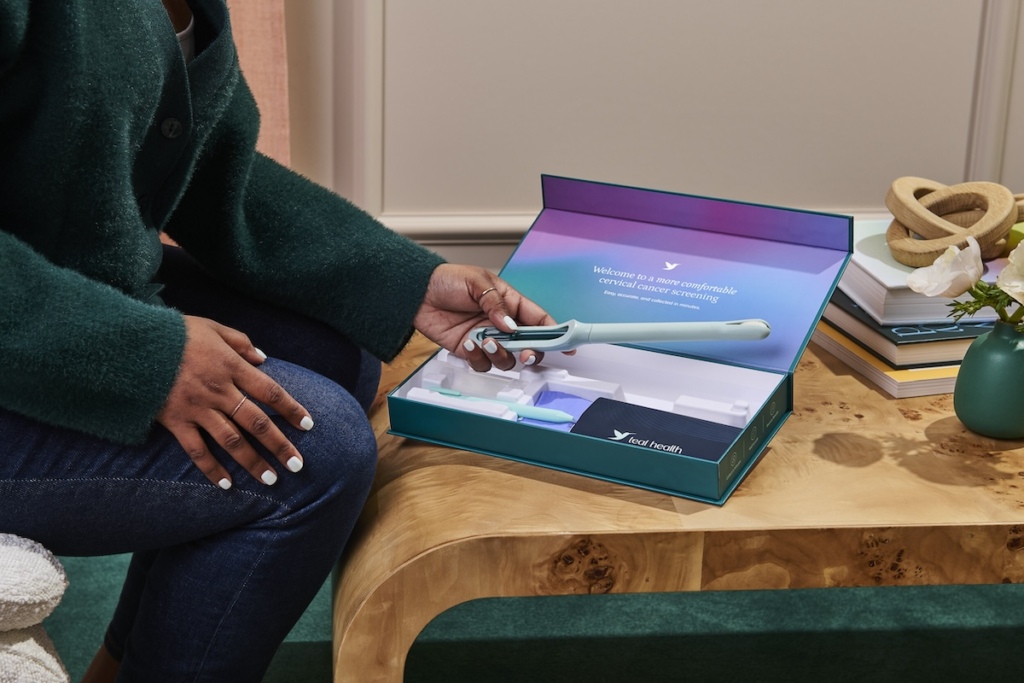
Supported by Teal's $1.68 million grant from the National Cancer Institute, the study will enroll women ages 30-65 who are due or overdue for cervical screening. Once enrolled, patients will receive the FDA-authorized Teal Wand, an at-home HPV self-collection device, with samples processed at UC Davis’ in-house laboratory.
Starting with HPV, the cause of 90% of cervical cancer cases, the study aims to scale repeatable at-home testing to address care gaps, streamline screening processes, and reduce pressure on providers. The final results will compare at-home testing and in-clinic screenings on completion rates, patient engagement, operational success, and reach of women due for testing.
“This is an important milestone in making at-home cervical cancer screening more accessible through the health systems women already trust,” said Kara Egan, CEO and Co-Founder of Teal Health. “By embedding Teal’s FDA-authorized Teal Wand and telehealth platform into existing health system workflows, we’re working toward a future where preventative care is accurate, easier to access, and easier for health systems to deliver at scale.”