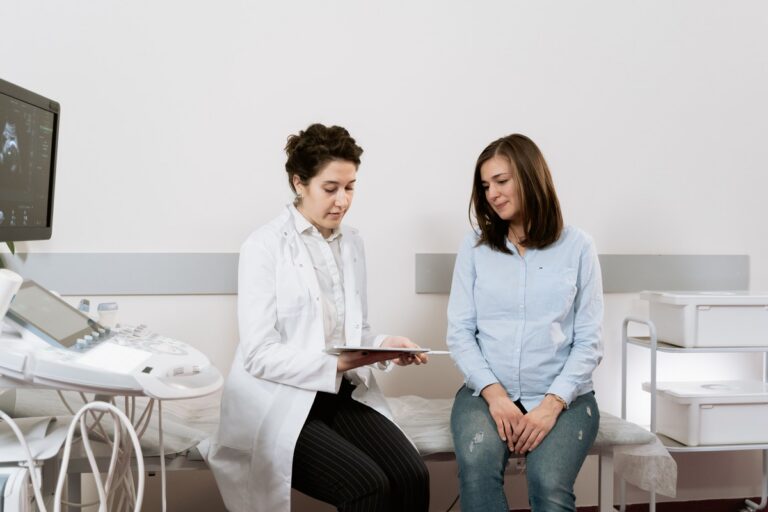



September is recognized as Gynecological Cancer Awareness Month, making it an especially important time to focus on these significant health issues affecting women.
Gynecological cancers are a significant concern in women's health, affecting millions globally each year. These cancers are unique to the female reproductive system and can manifest in various ways, depending on the organ affected. Early detection and treatment are critical for improving outcomes, but these cancers often pose unique challenges, such as late-stage diagnosis and healthcare disparities. Understanding the different types of gynecological cancers is essential for both medical professionals and the general public to recognize symptoms, opt for appropriate screening methods, and seek timely treatment.
The types of gynecological cancers include:
- Ovarian Cancer: Affects the ovaries and is often diagnosed at an advanced stage.
- Cervical Cancer: Originates in the cervix and is often detected through routine Pap tests.
- Uterine Cancer: Also known as endometrial cancer, it affects the lining of the uterus.>
- Vaginal Cancer: Affects the vaginal tube that connects the external genitals to the uterus.
- Vulvar Cancer: Affects the external part of the female genitals.
- Fallopian Tube Cancer: A rare form that starts in the fallopian tubes connecting the ovaries to the uterus.
Each of these cancers has its own set of risk factors, symptoms, and treatment options, making it vital to approach them with tailored diagnostic and therapeutic strategies.
👉 Diagnosis Today
Traditionally, the diagnosis of gynecological cancers has relied on a variety of tests and imaging techniques. Pap smears have been instrumental in the early detection of cervical cancer, offering a simple yet effective screening method. Ultrasound imaging often serves as a first-line approach to check for any masses or abnormalities in the ovaries or uterus. In more ambiguous cases, a biopsy might be conducted, where a sample of tissue is taken and examined under a microscope for signs of cancer. Advanced imaging techniques like MRI and CT scans offer more detailed insights and are generally used for staging the cancer or planning treatment.
Innovation in the field of diagnosis has been significant. Liquid biopsies are gaining traction as they can detect cancer-specific genetic mutations in the bloodstream, offering a non-invasive method for early detection. Artificial Intelligence is also being incorporated into diagnostic procedures, with algorithms capable of analyzing medical images to assist clinicians in early detection and characterization of tumors. Furthermore, targeted molecular tests are emerging that look for specific molecular markers in tissue samples, providing a more nuanced understanding of the type and stage of cancer.
👉 Treatment Today
Treatment of gynecological cancers has traditionally been anchored around three main pillars: surgery, chemotherapy, and radiation therapy. Surgery often involves the removal of cancerous tissues or organs and may be followed by chemotherapy, which uses drugs to target and kill cancer cells. Radiation therapy employs high-energy rays to destroy cancer cells and is often used in conjunction with other treatments.
The landscape of treatment is rapidly evolving with the advent of new technologies and therapeutic approaches. Immunotherapy is a new area that leverages the body's own immune system to fight cancer cells. PARP inhibitors are a class of drugs that have shown promise in treating ovarian cancer, particularly in patients with specific genetic mutations. Robotic surgery is another innovation that allows for more precise and less invasive operations, reducing recovery time and the risk of complications. Personalized medicine is also becoming more prevalent; it involves tailoring treatment plans based on the genetic makeup of the individual's cancer, leading to more effective and less toxic treatments. Nanotechnology is on the horizon as well, offering the potential to use nanoparticles to deliver drugs directly to cancer cells, minimizing damage to surrounding healthy tissues.
Both diagnosis and treatment are undergoing revolutionary changes, fueled by technological advancements and a deeper understanding of cancer biology. These innovations offer hope for more effective treatments and earlier detection, which are critical for improving patient outcomes.
👉 Challenges in the Diagnosis and Treatment of Gynecological Cancer
As described diagnosing and treating cancers that affect women's reproductive organs is an area that's fortunately seeing some change and evolution. However, we still face big challenges, from diagnosing the disease late to the high costs of new treatments.
- Late-Stage Diagnosis: Many gynecological cancers, such as ovarian cancer, are often diagnosed at an advanced stage, making treatment more difficult and reducing survival rates.
- Healthcare Disparities: Access to screening, early diagnosis, and advanced treatments varies widely based on geographic location, socio-economic status, and even racial or ethnic background.
- Treatment Side Effects: Current treatments like chemotherapy and radiation have significant side effects, affecting the quality of life for patients.
- Cost of Treatment: Innovative therapies, such as immunotherapy and targeted therapies, are often prohibitively expensive, making them inaccessible for many patients.
- Limited Sensitivity and Specificity of Tests: Diagnostic tests like the Pap smear and CA-125 blood test are not foolproof and may yield false positives or negatives.
- Genetic and Environmental Unknowns: The full range of genetic mutations and environmental factors that contribute to these cancers is not yet understood, complicating prevention efforts.
- Patient Compliance: Screening programs require regular follow-up, which can be hampered by various factors such as lack of awareness, stigma associated with the disease, or logistical difficulties.
- Drug Resistance: Over time, some tumors develop resistance to existing therapies, necessitating the development of new treatment strategies.
👉 Future Directions
We’ve talked about the challenges, but what are some promising future developments in the space? Let’s explore!
- Early Detection: Research is focused on developing novel biomarkers and imaging technologies to diagnose gynecological cancers at an earlier stage.
- Personalized Medicine: With the growing understanding of the genetic makeup of different cancers, treatments can be more tailored to the individual patient's needs.
- Combination Therapies: Combining existing treatments in new ways or with new drugs to increase efficacy and reduce side effects is a key area of research.
- Artificial Intelligence and Data Analytics: Utilizing machine learning algorithms to analyze vast datasets, including genetic information and medical images, can potentially revolutionize diagnosis and treatment planning.
- Public Awareness and Education: Community-based interventions and education can help improve screening rates and early detection.
- Telemedicine: Remote consultations can help reach underserved populations, offering expert advice and guidance for local healthcare providers.
- Global Collaboration: International cooperation in research can accelerate the development of new diagnostics and treatments, and ensure that advancements are shared more evenly across the globe.
- Sustainability and Accessibility: New technologies and treatments need to be scalable and affordable to ensure they are accessible to everyone, irrespective of their socio-economic status.
- Clinical Trials: Increasing diverse participation in well-designed clinical trials can help evaluate the safety and efficacy of new treatments faster.
Having read all that you're probably curious who the innovators in the gynecological cancer space are. Stay tuned for next week, when we turn our focus from challenges and opportunities to the startups, researchers, and organizations driving change in this space. #tbc