

A new paper from Daye‘s research team, together with researchers at UCL, Queen Mary University of London, and the London School of Hygiene and Tropical Medicine, argues that cervical cancer screening is missing a signal it could already be measuring: the vaginal microbiome.
The biology is well established. Lactobacillus-dominant microbiomes appear protective, while dysbiotic, anaerobe-rich ones are associated with HPV persistence and higher-grade cervical disease. Yet no validated cervical cancer risk model currently in clinical use incorporates vaginal microbiota at all.
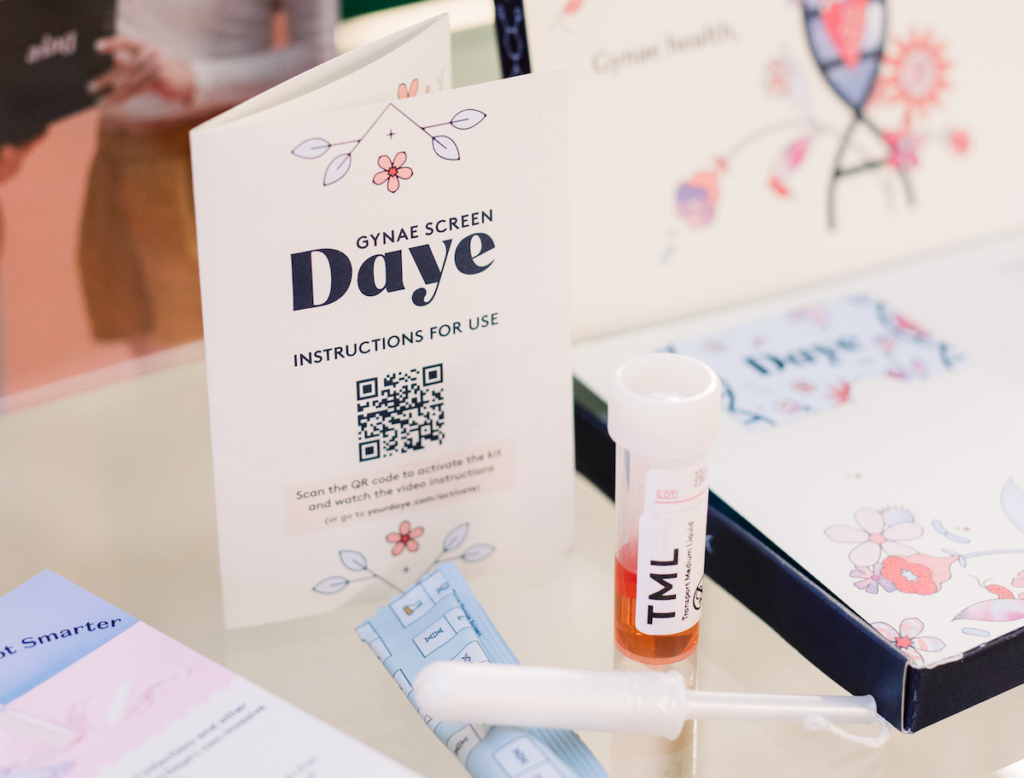
The paper, led by Michelle Gomes and published in Frontiers in Network Physiology, lays out how that could change. The practical hook is that Daye’s Diagnostic Tampon can read the microbiome from the same self-collected sample already taken for HPV screening – adding effectively no burden for the woman or the lab.
The underlying argument is a shift in framing. Screening has traditionally asked whether HPV is present. The paper’s case is that risk emerges from a network rather than a single variable – the virus, the immune system, the vaginal environment, vaccination status, and behavior together – and that a better question is whether the environment is one in which the virus can persist.