


Axena Health has published a real-world evidence study in Diseases of the Colon & Rectum showing that its Leva Pelvic Health System delivers clinically meaningful improvement in fecal incontinence (FI) symptoms in women – a condition that affects approximately 12 million women in the U.S. yet sees fewer than 3% ever receive a clinical diagnosis.
The study enrolled 214 adult women and found that nearly 60% achieved a minimum clinically important difference after just eight weeks of therapy. Seventy-three percent reported overall symptom improvement. Pelvic floor muscle performance – measured directly by the Leva device – improved meaningfully over the course of the study, and women remained consistent with their treatment week over week. No serious safety concerns were reported.
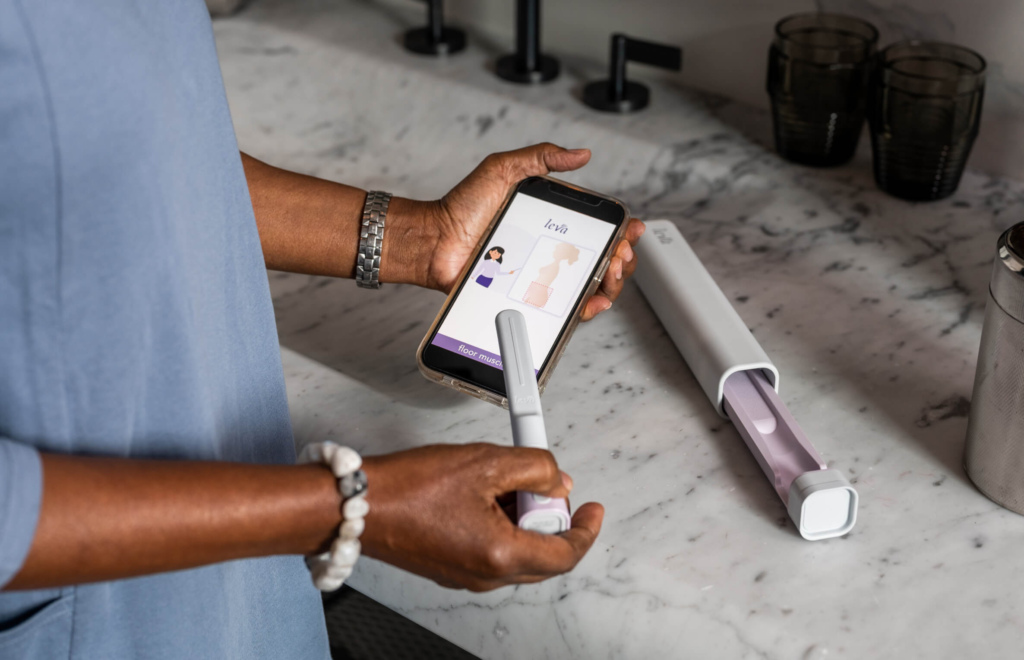
Leva is a prescription-based digital therapeutic that combines an intravaginal motion-based biofeedback device, a smartphone app, personalized coaching, adherence support, and remote progress tracking to deliver supervised pelvic floor muscle training (PFMT) at home in five minutes a day.
“For far too long, fecal incontinence has been minimized as something women are expected to endure – underdiagnosed, undertreated, and rarely discussed,” said Axena Health CEO Dr. Samantha Pulliam. “In this real-world study, nearly 60% of women achieved a clinically meaningful improvement in symptoms along with high levels of adherence, indicating they are both motivated and therapy was easy to incorporate into their day-to-day lives.”
The adherence point matters. While PFMT is globally recognized as first-line treatment for incontinence, outcomes are often undermined by incorrect technique, low adherence, and a shortage of specialty-trained clinicians. By delivering supervised training at home with real-time biofeedback, Leva is designed to address the access and engagement barriers that have historically limited the effectiveness of pelvic floor therapy.
The publication adds to Axena Health’s existing body of evidence for urinary incontinence, with studies published in Obstetrics & Gynecology, the International Urogynecology Journal, and JMIR Publications. The expansion into fecal incontinence broadens the clinical case for the device in a category where treatment options have been limited and surgical approaches have shown inconsistent results.